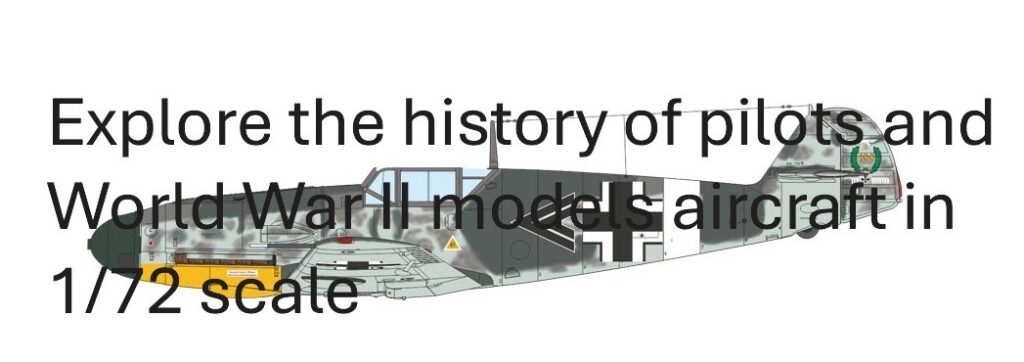
FIGHTER PILOT PROFILES
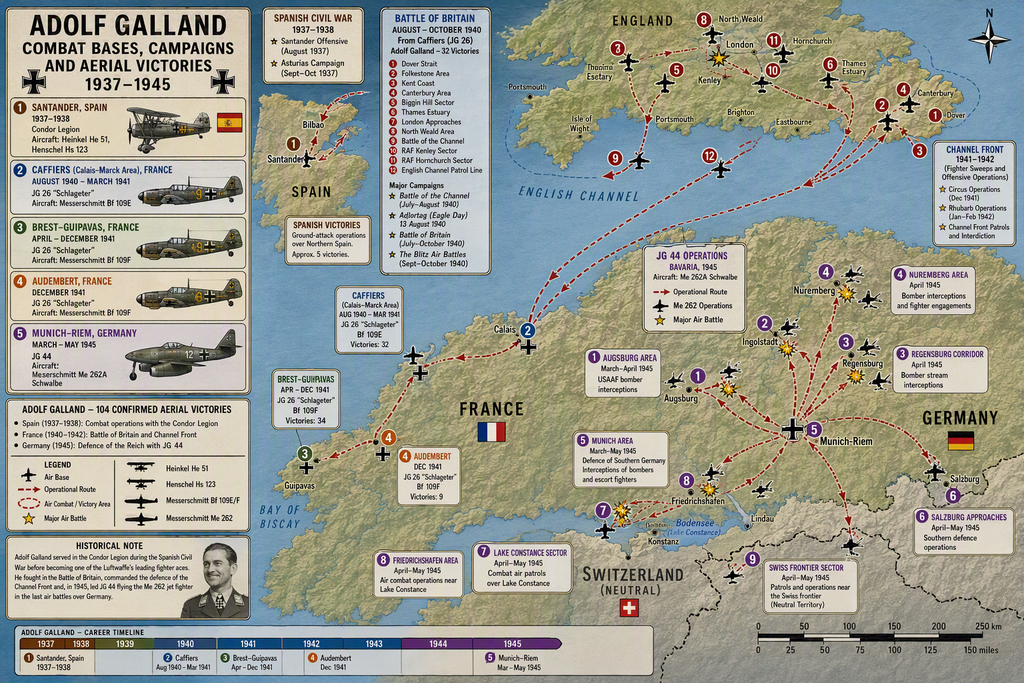
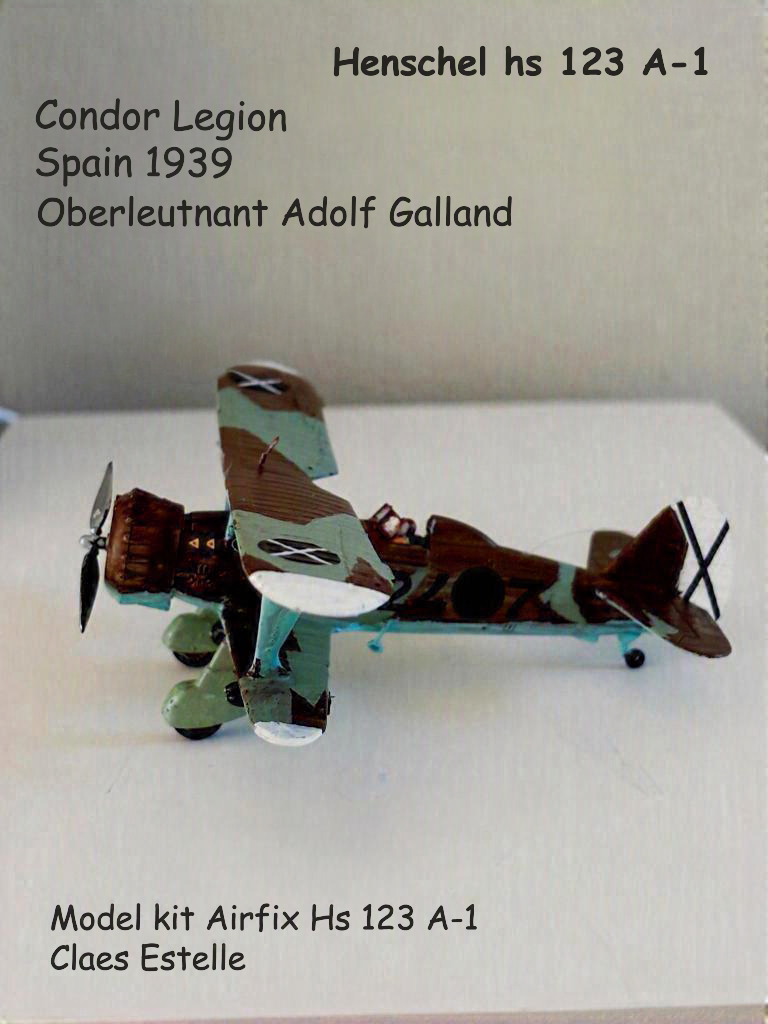
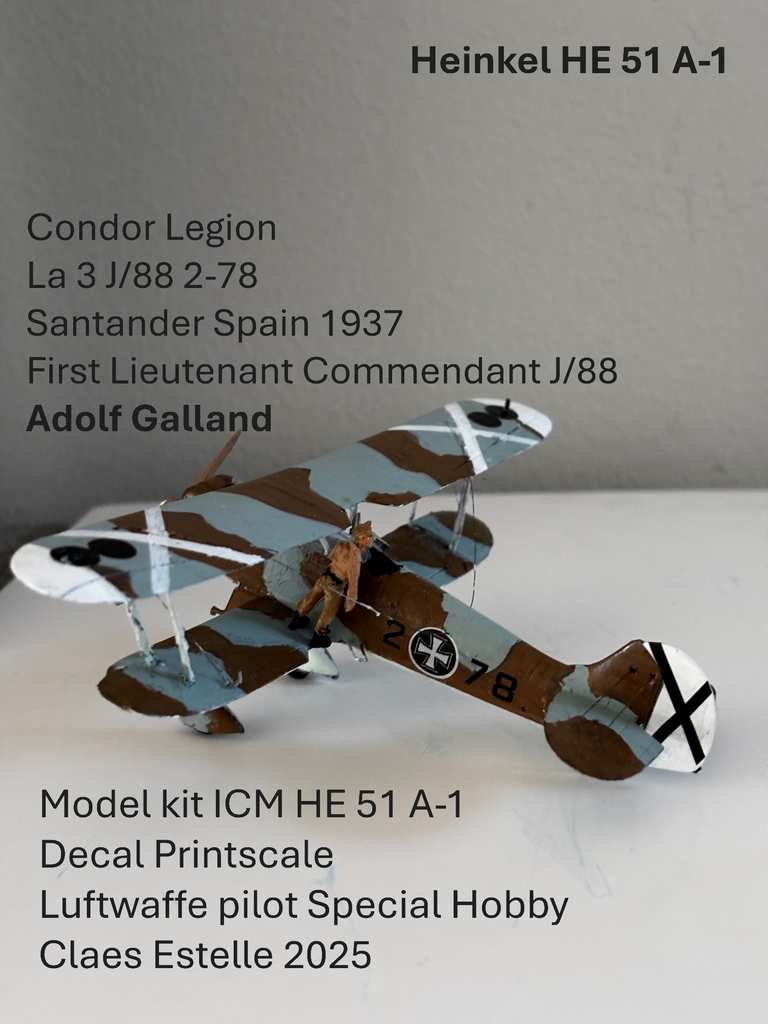
OPERATIONS
BACKGROUND
More than 70 years ago—specifically in June 1942—a sensational flight was carried out between England and France.
Brigadier General Charles de Gaulle.led the Free French Forces from his headquarters in London. Many French citizens listened to his broadcasts via the BBC. Listening to British broadcasts was strictly forbidden. Many BBC transmissions were also directed specifically to the French Resistance, using various types of coded messages. These codes could concern current parachute drop zones for agents, weapons, and ammunition.
The French lived under harsh conditions. Many had friends and relatives who had fled, with no contact with home. Others served voluntarily in the Allied armed forces far from home. Some were part of the Free French Forces (Forces Françaises Libres, FFL), stationed outside the country’s borders. Food and basic goods were rationed. Strict restrictions and limitations shaped everyday life. Refugees and ethnic minority groups tried to avoid detection and deportation to labor and death camps. Downed Allied airmen and others hid—often with help from civilians.
In England, it was considered necessary to find a way to strengthen the morale of the French people.
PREPARATIONS
To instill hope among the French, the British Royal Air Force decided to carry out an aerial demonstration over Paris—Operation Squabble. The problem was that it was wartime. All borders by land, sea, and air were closed.
The British general in Coastal Command, Air Chief Marshal Sir Philip Joubert de la Ferté, sought a pilot with precisely experience and the courage required. Joubert summoned Gatward and a navigator named Fern to his headquarters and asked bluntly:
“There’s a special mission coming along, I wonder if you’d be interested? I’m afraid it’s not very safe!” Gatward answered this understatement with: “It sounds alright, sir, but what’s it all about?” To which the Commander-in-Chief replied: “It’s very difficult to tell you unless we know you are interested.” Gatward immediately responde: “Of course I am interested! Joubert then asked whether Fern was also interested. Gatward noted that Fern was married and likely not keen on such danger, but Fern replied:“Oh yes I am!” (Source: Les Ailes d’Époque du Canada)
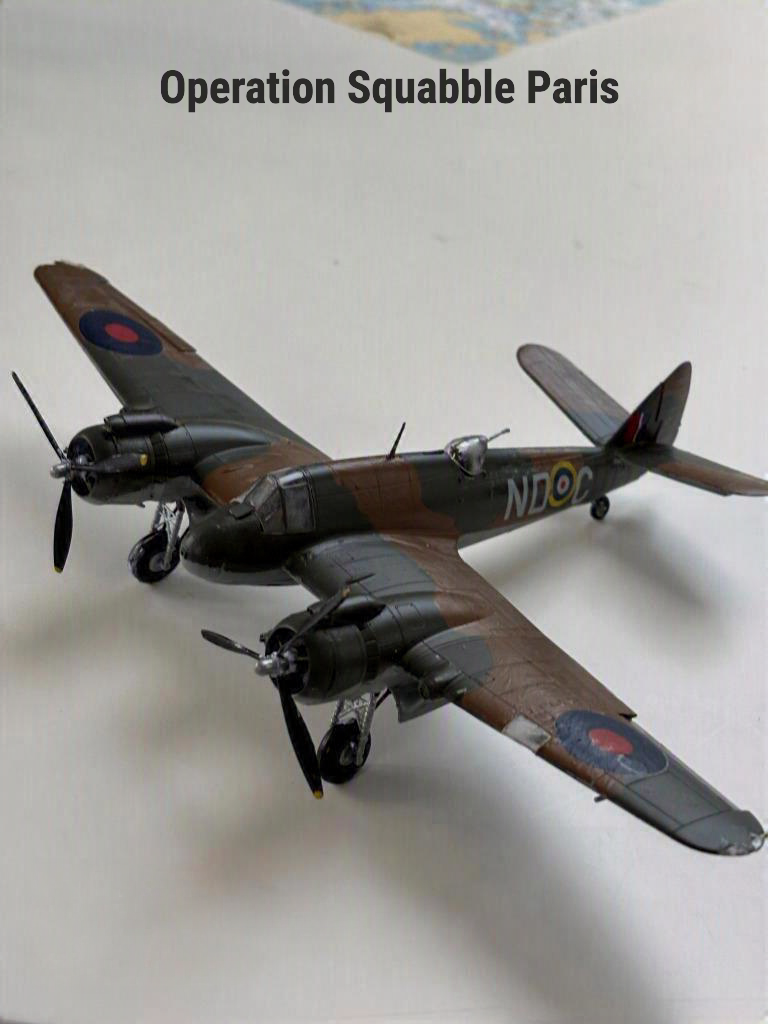
The German armed forces, led by the Wehrmacht, held a daily parade between 12:15 and 12:45 along the Champs-Élysées. The British intelligence service, Special Operations Executive (SOE), through Major Ben Cowburn, learned of this. The information came from British agents stationed in Paris. Gatward and his navigator, Flight Sergeant Gilbert “George” Fern, prepared. They were to fly a Bristol Beaufighter Mk IC, T4800 “ND-C,” belonging to No. 236 Squadron. Their first attempt on 13 May was thwarted by poor weather as they reached the French coast. They returned to base and tried again a month later.
OPERATION SQUABBLE
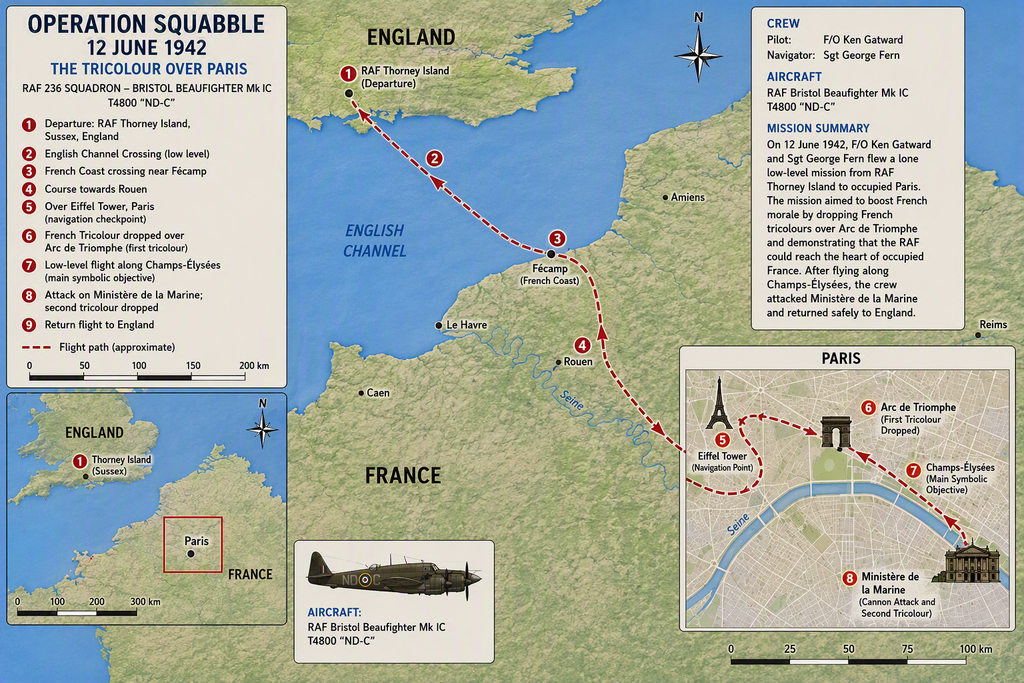
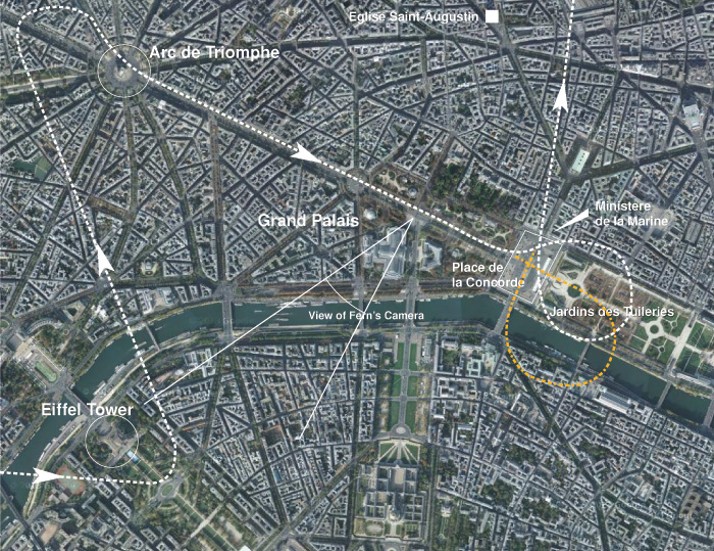
On 12 June 1942 at 11:29, they took off from Thorney Island on England’s south coast in heavy rain. They crossed the French coast near Fécamp just as the sun broke through. The port city of Le Havre appeared to the southwest on their right-hand side. They flew at roughly 10 meters altitude to avoid German radar, anti-aircraft guns, and fighters. The Beaufighter’s two 14‑cylinder radial engines roared in unison as the rooftops of Rouen swept past just beneath the fuselage. At every turn, Gatward had to climb slightly to avoid clipping the wingtips. Flying at absolute minimum altitude required total concentration—avoiding towers, trees, and telegraph wires. Fern needed equal focus, navigating toward the target at 300–400 km/h. In clear weather, navigation was relatively easy. They followed the Seine toward Paris. Only upon reaching the outskirts of Paris did they encounter light anti-aircraft fire, but without damage. At 12:27—one hour after leaving their base—they circled the Eiffel Tower. Easy enough to find. Only then did trouble arise: a bird struck their right-hand Hercules engine with a loud thud. Despite this, Gatward and Fern continued the mission.
Parisians gathered at outdoor cafés along the Champs‑Élysées to socialize, drink espresso, and enjoy warm croissants. They could not avoid the presence of the occupiers, who now shared the same cafés and restaurants. At one table sat a German general staff officer, sipping French cognac while reading the Berliner Morgenpost. Beside him sat a young, beautiful French woman—his mistress—drinking espresso. An elderly man pushing his bicycle squinted up at the sky, blinking rapidly. He narrowly avoided a parked German Kübelwagen. He thought he heard something, hesitated, then continued. Suddenly, he and everyone nearby heard the roar of the English aircraft’s engines, rapidly approaching the Champs‑Élysées. Gatward and Fern expected to see the Germans marching toward the Arc de Triomphe at Place de l’Étoile. No parade was in sight. It later emerged that the Germans had been confused by the aerial activity and cancelled the daily parade. Some later claimed they had been warned. Who knows? In any case, there was no parade that Tuesday in June.
Fern released the first of two enormous tricolour flags over the Arc de Triomphe. They continued low over the rooftops toward the German Naval Ministry at Place de la Concorde. Gatward flew even lower and fired a burst of 20 mm rounds from the Beaufighter’s fixed cannons at the ministry entrance, watching German soldiers scatter for their lives. He did not miss. At the same time, Fern dropped the second French flag over the ministry.
Gatward and Fern then flew north, passing low over Gare Saint‑Lazare, and immediately to the left the spires of Église Saint‑Augustin flashed past. People looked up and waved when they recognized the British roundels on the undersides of the wings. Insects were now smeared across the Beaufighter’s small windscreen, making visibility difficult. Gatward struggled to see clearly through the blurred and partially obscured glass. By now, the Germans were surely alerted and ready to intercept them on their return to England. They worried about being detected and attacked by German fighters or anti-aircraft guns. They flew so fast that Gatward feared the engines might overheat.
They landed at Northolt at 13:53. The entire mission—from England to Paris and back—took barely two and a half hours. Gatward removed the remains of the crow from the right-hand radiator and buried the bird near the edge of the airfield.
AFTERWORD
The day after their return, they were decorated. Gatward received the DFC (Distinguished Flying Cross) and Fern the DFM (Distinguished Flying Medal). Fern, who was a Non‑Commissioned Officer, was also promoted to Commissioned Officer
The gift—presumably also given to Fern—was a wooden box engraved: IN MEMBRANCE OF YOUR FLIGHT OVER PARIS CHAMPS ELYSEES – 12 JUNE 1942 PLACING THE TRICOLOUR ON L’ARC DE TRIOMPHE The box had contained a magnum bottle of Lanson Champagne. The champagne had been consumed by the time of the auction.
Alfred Kitchener “Ken” Gatward (1914–1998) reached the rank of Wing Commander by the end of the war and later retired as a Group Captain in 1964. He lived to be 84. After his wife Pamela passed away, his medal collection and a gift from the French state were auctioned in 2012. The auction house, Reeman Dansie of Colchester, expected at most £8,000 for the medal collection including the French gift. The final bid reached £41,000. Gilbert “George” Fern (1918–2010) ended his RAF career as a Squadron Leader and, after the war, returned to work as a teacher in woodworking and crafts. He lived to be 92. (Source: téte á téte C. Estelle)
SPITFIRE VERSIONS
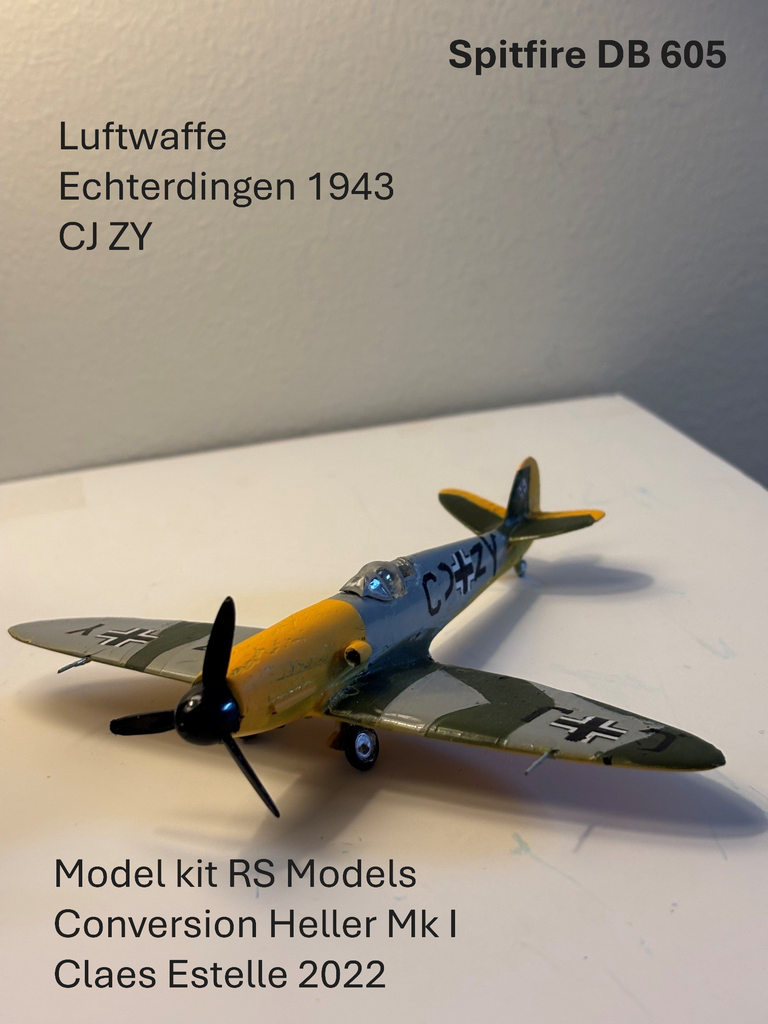
DB 605 Conversion
Experimental Spitfire fitted with a German Daimler-Benz DB 605 engine. A unique test aircraft that combined British aerodynamics with German powerplant technology.
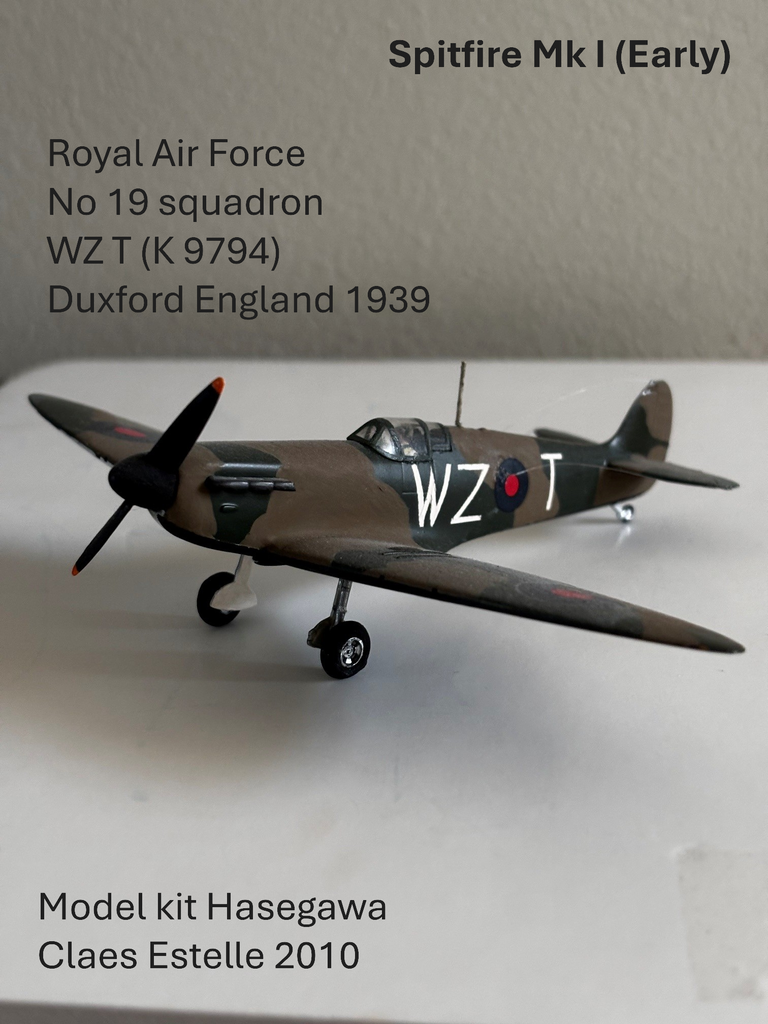
Mk I Early
The earliest production Spitfire, powered by the Rolls-Royce Merlin II or III. It established the type’s legendary reputation for speed and maneuverability.
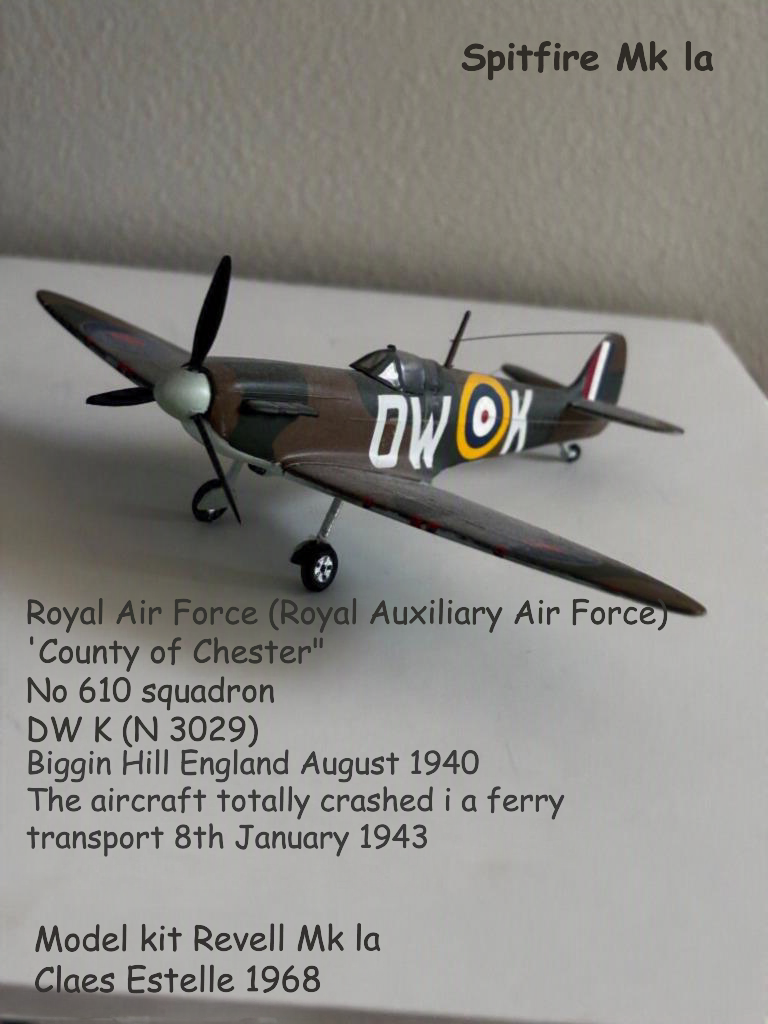
Mk Ia
Standard early fighter armed with eight .303 Browning machine guns. Played a crucial role during the Battle of Britain.
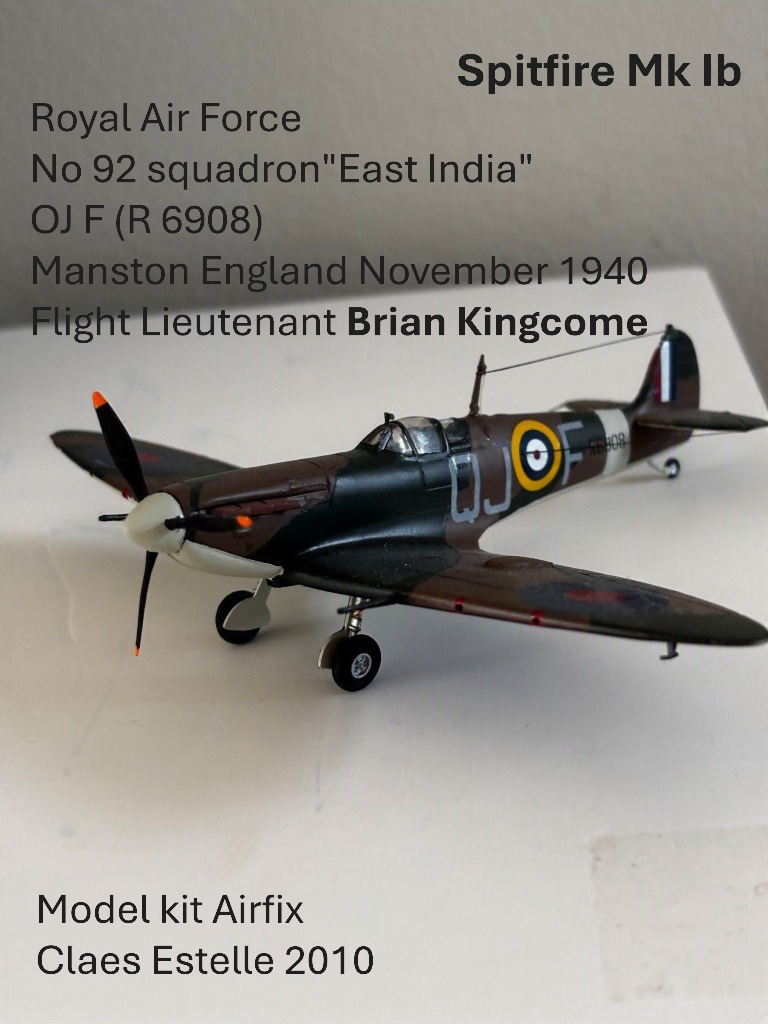
Mk Ib
Armed with two 20 mm Hispano cannons and four machine guns, providing significantly increased firepower.
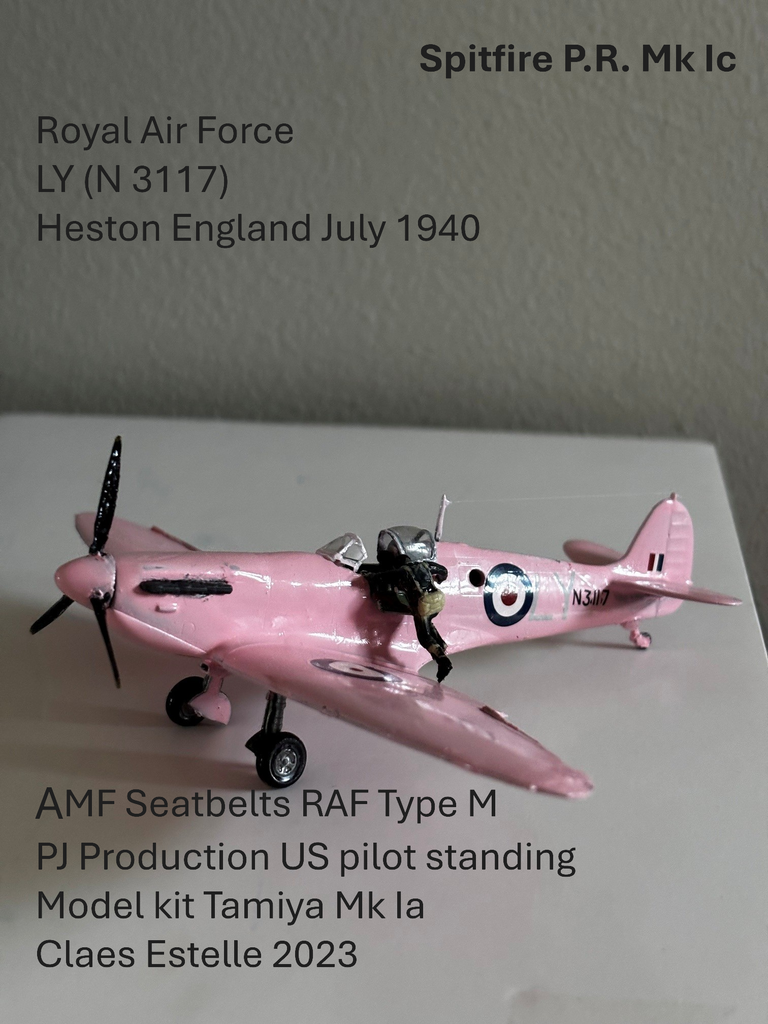
Mk Ic PR
Photo Reconnaissance conversion of the Mk I. Cameras replaced part of the armament for intelligence-gathering missions.
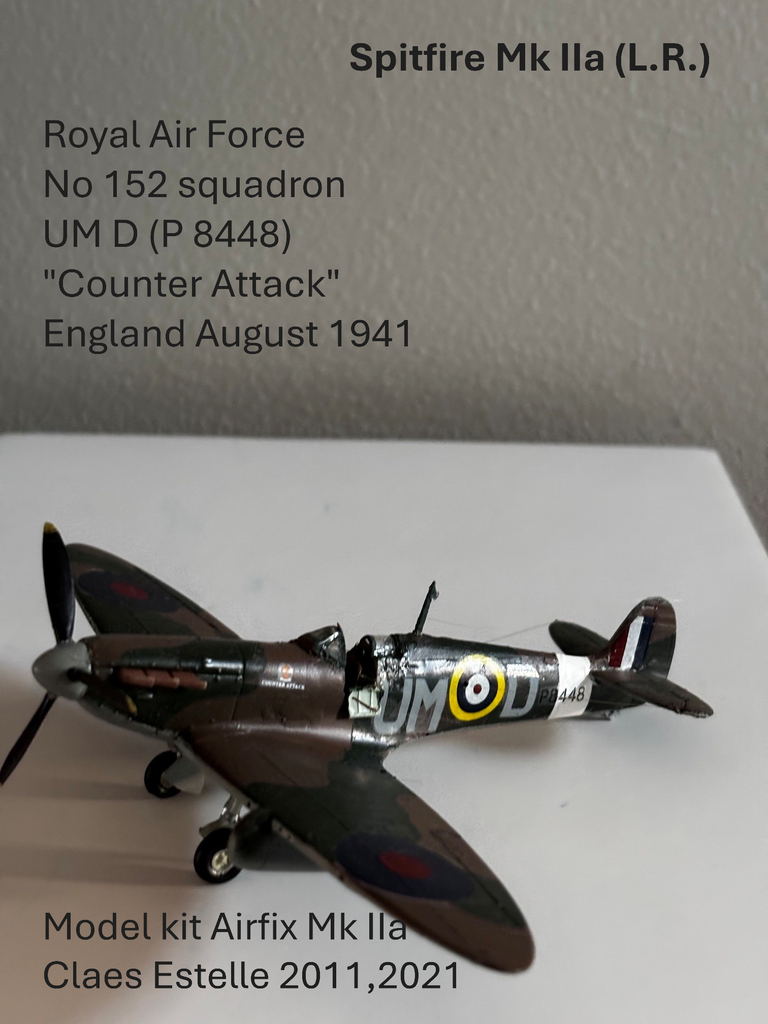
Mk IIa LR
Long-Range version with additional fuel capacity, extending operational reach for patrol and escort duties.
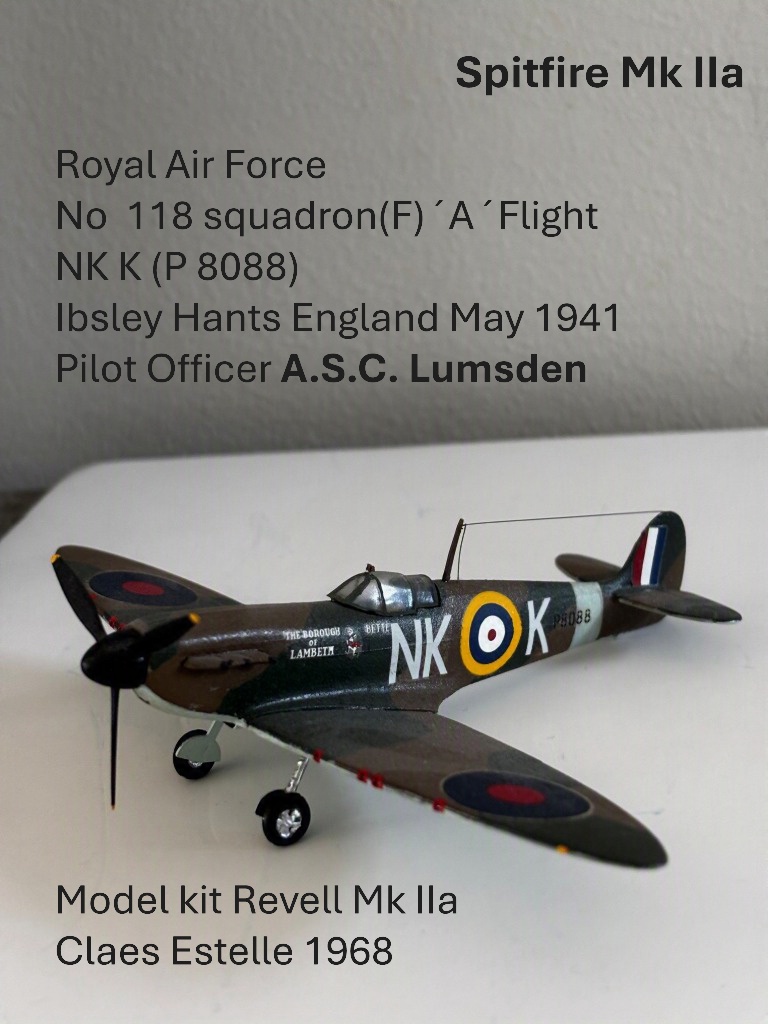
Mk IIa
Improved fighter powered by the Merlin XII engine, offering enhanced performance and reliability.
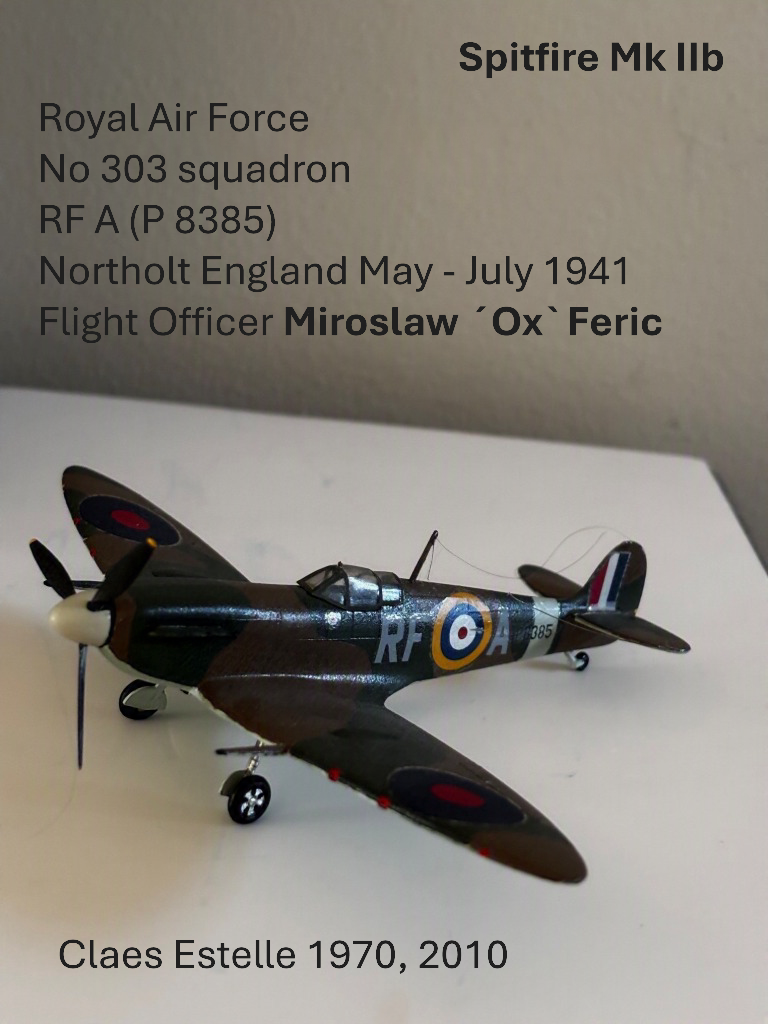
Mk IIb
Cannon-armed development of the Mk II, combining improved performance with heavier firepower.
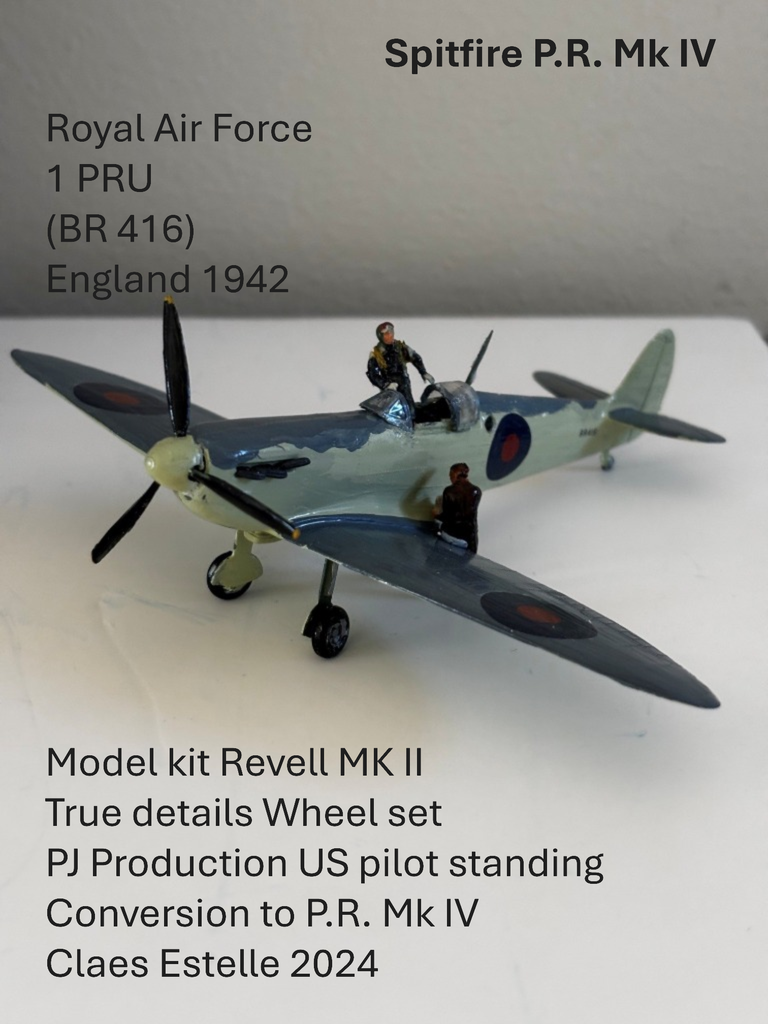
Mk IV PR
Experimental Griffon-powered reconnaissance aircraft used to evaluate future PR developments.
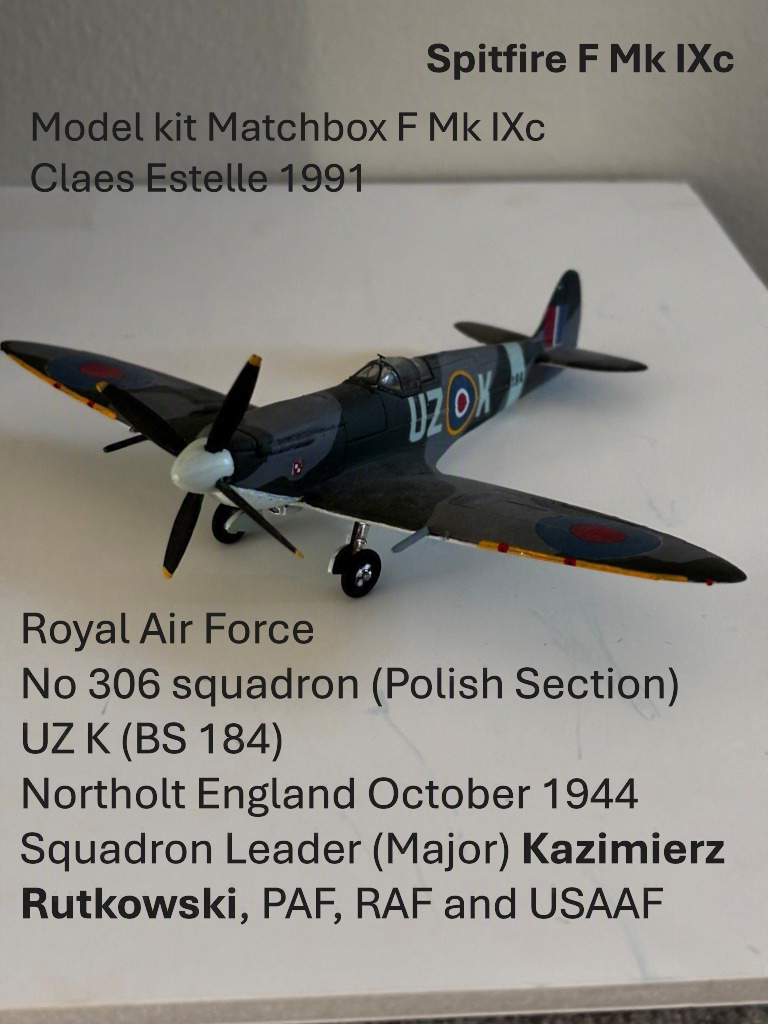
Mk IXc F
The RAF’s response to the Focke-Wulf Fw 190, restoring competitive fighter performance with the versatile “C” wing.
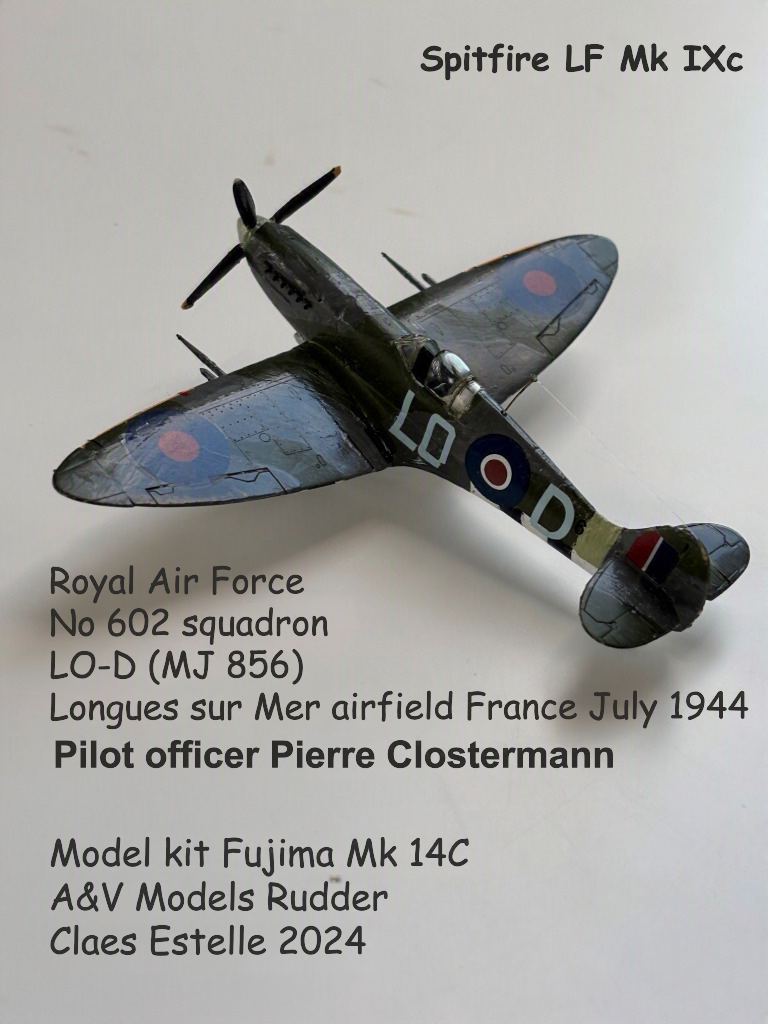
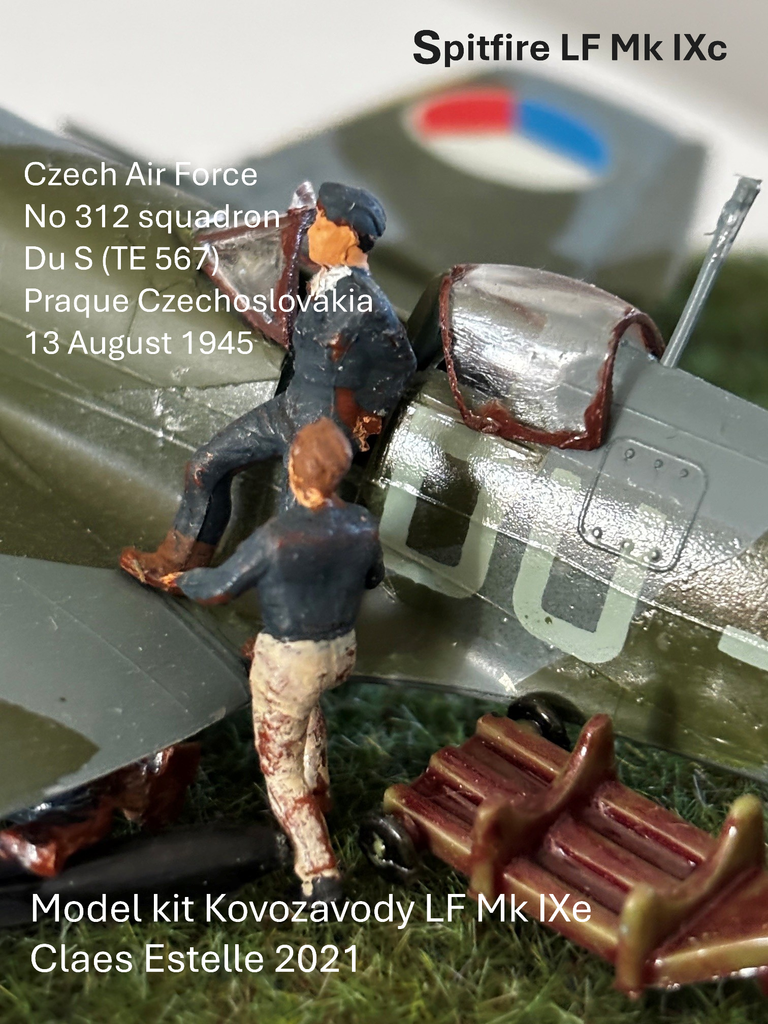
Mk IXc LF
Low-altitude fighter optimized for exceptional performance at lower operational heights.
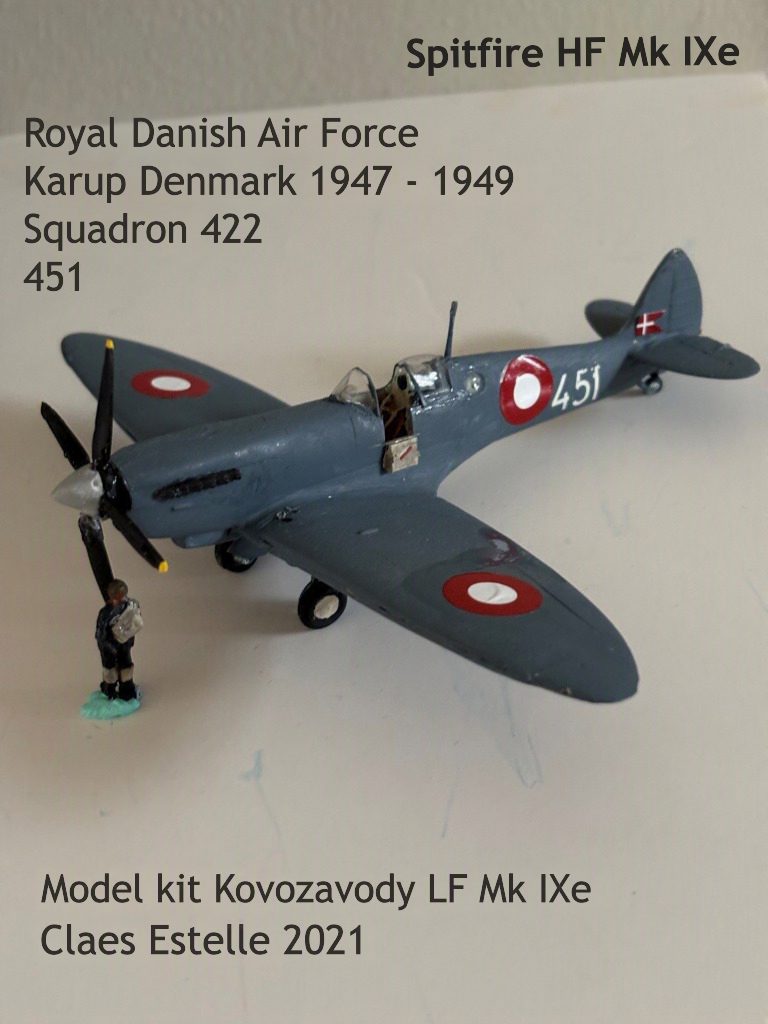
Mk IXe HF
High-altitude interceptor equipped with the revised “E” wing armament arrangement.
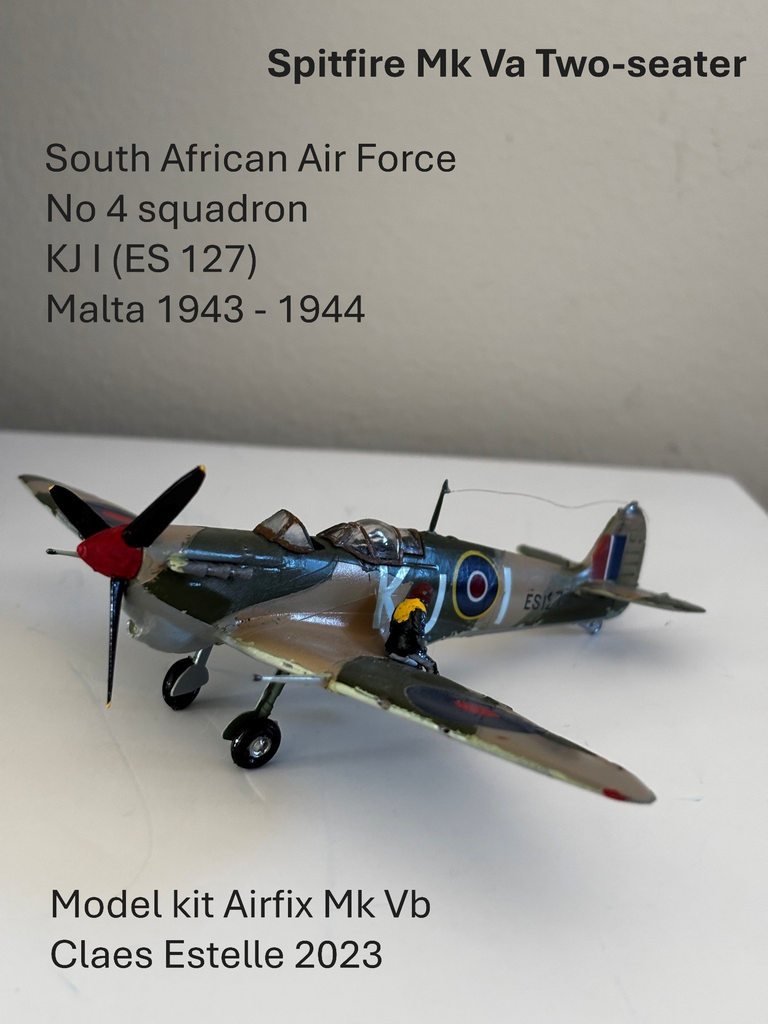
Mk Va Two-Seater
Dual-control training conversion designed to introduce pilots to the Spitfire’s handling characteristics.
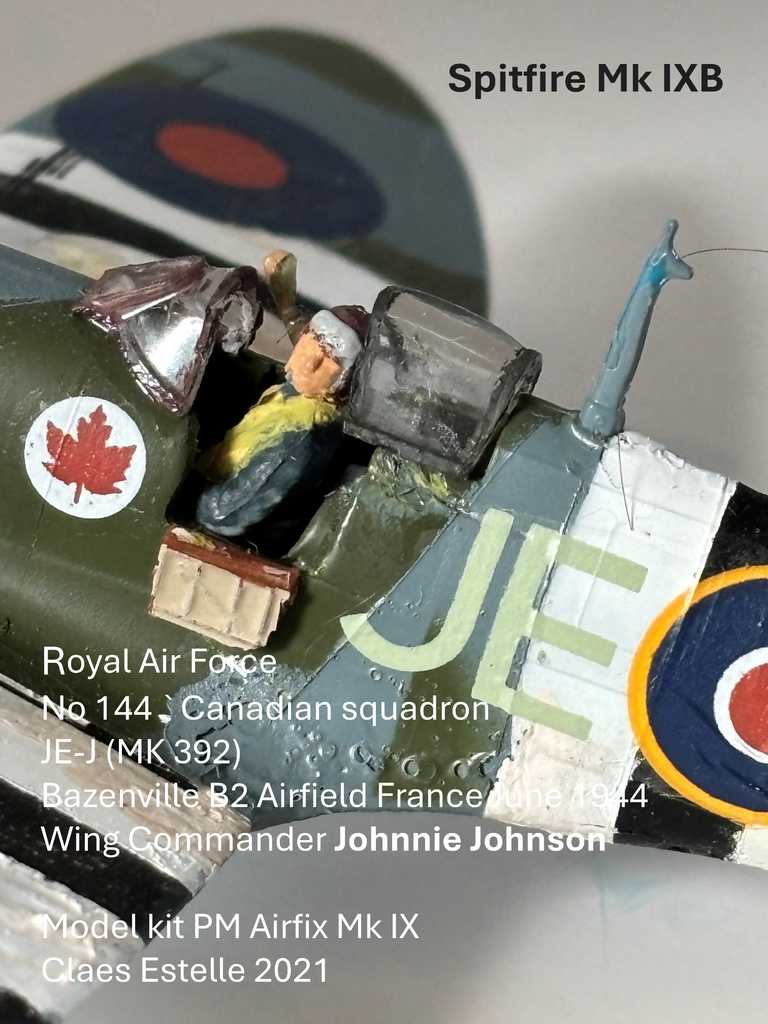
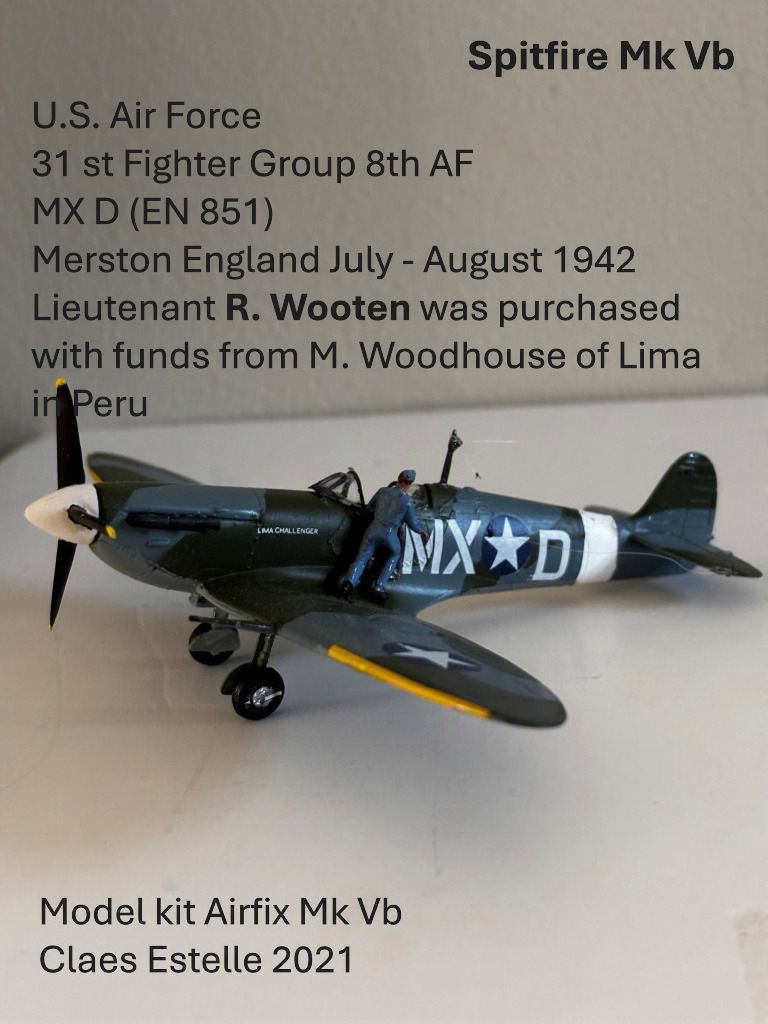
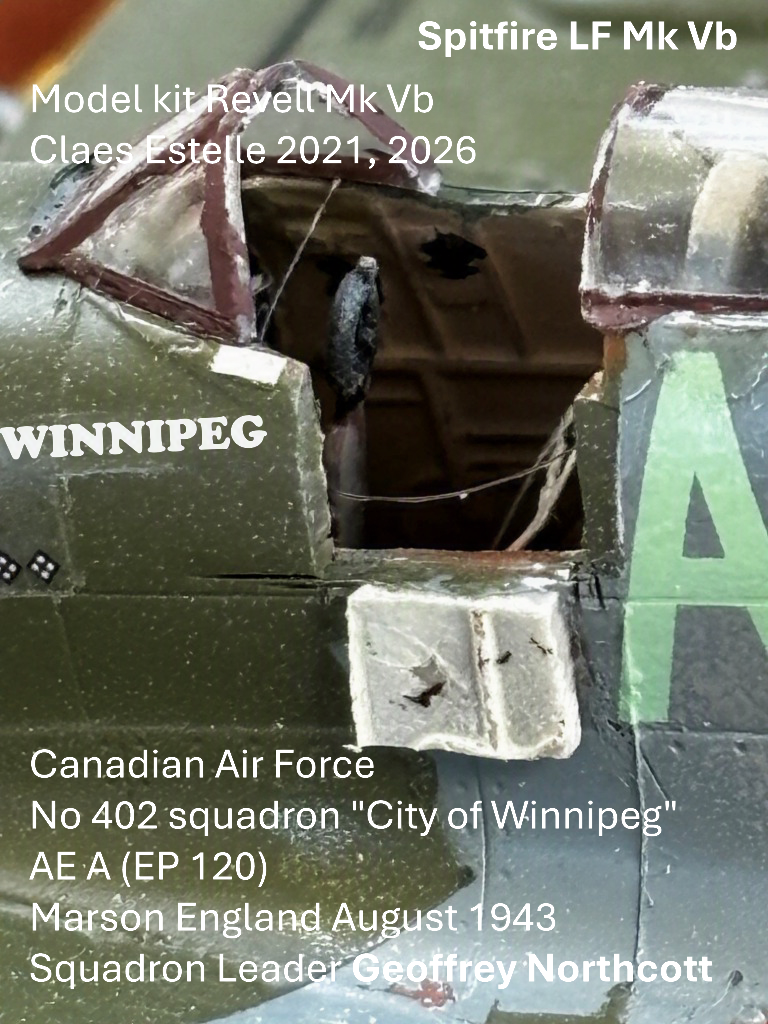
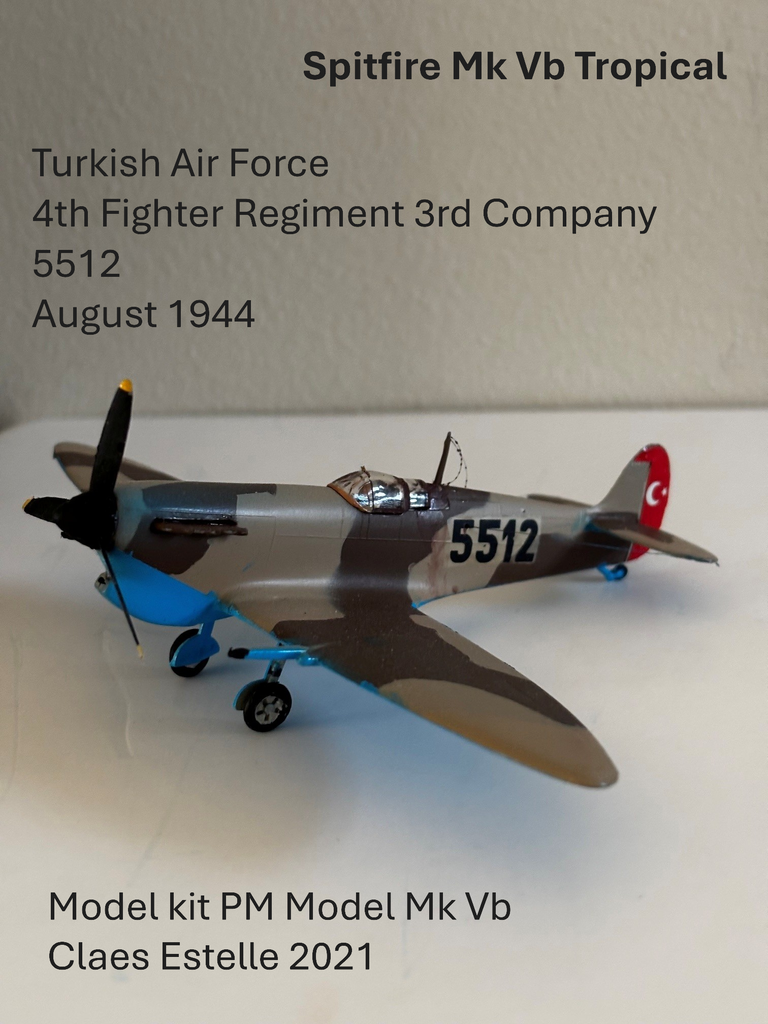
Mk Vb
The most widely produced Spitfire variant, combining excellent performance with versatile armament.
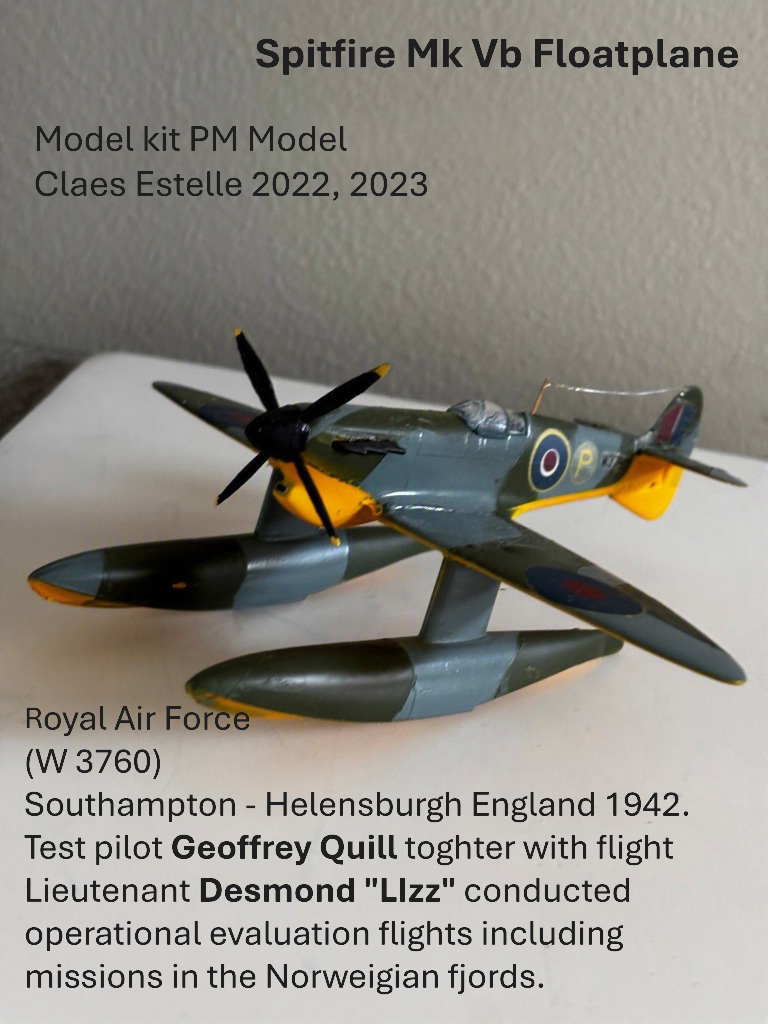
Mk Vb Floatplane
Experimental seaplane fitted with twin floats for operation from coastal waters and remote locations.
Mk Vb LF
Low-altitude version optimized for operations below medium altitude.
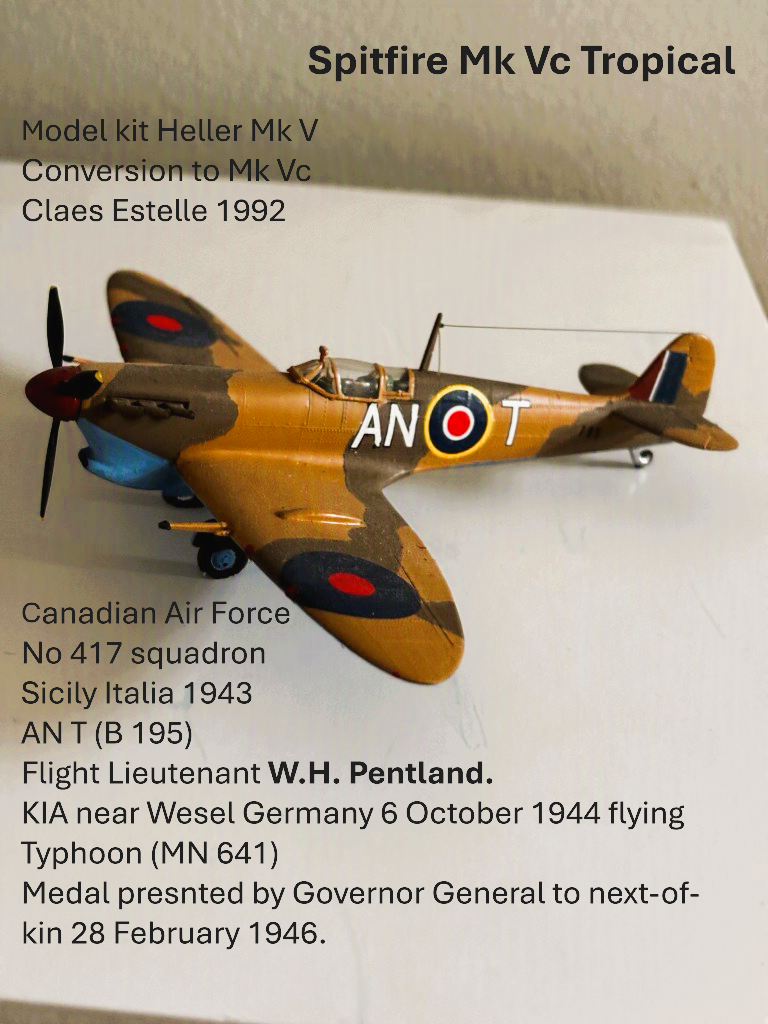
Mk Vc
Equipped with the Universal “C” wing, allowing a wide range of weapon configurations.
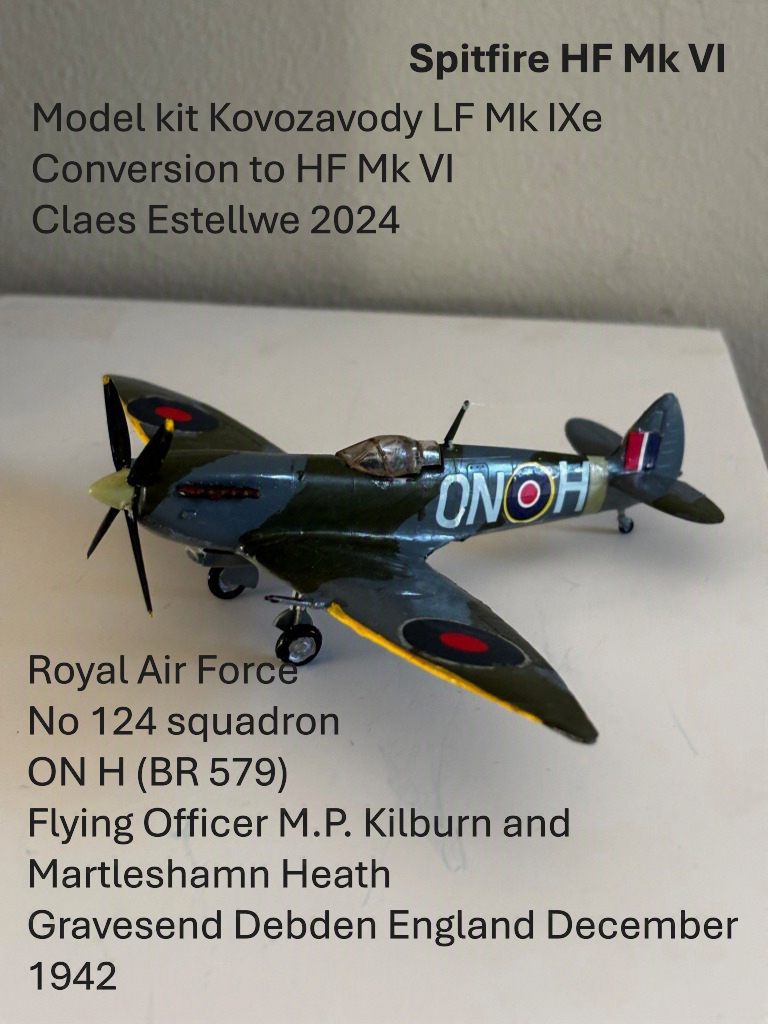
Mk VI HF
Pressurized high-altitude interceptor with extended wing tips, designed to engage aircraft operating at extreme altitudes.
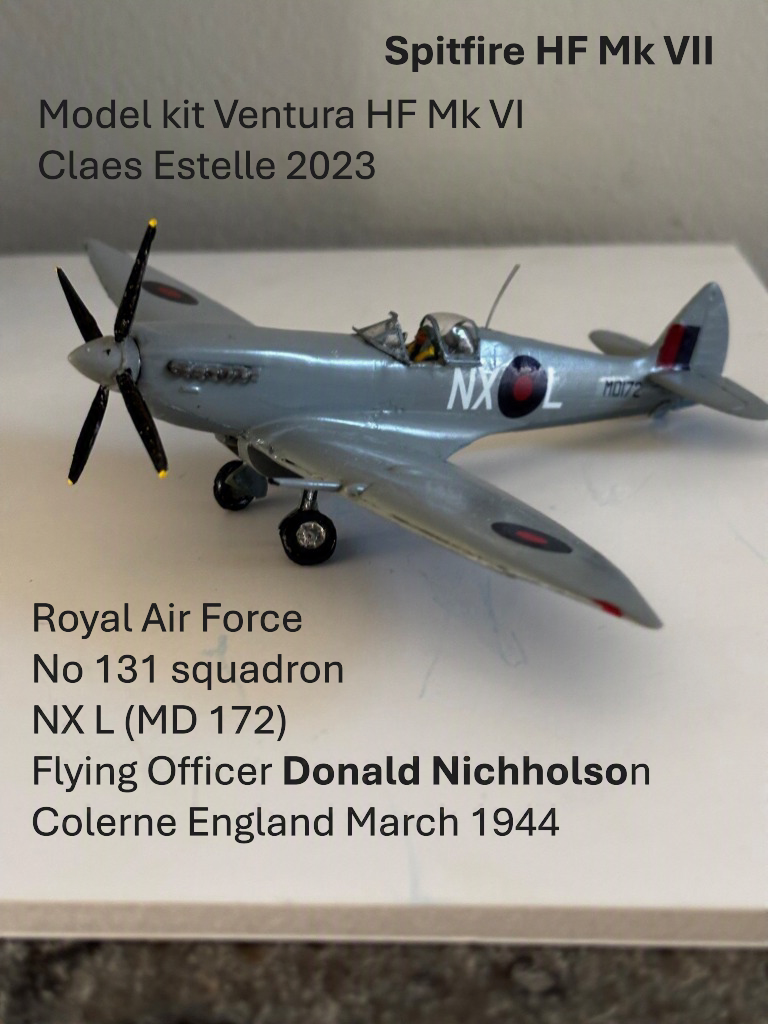
Mk VII HF
Purpose-built high-altitude fighter featuring a pressurized cockpit and refined aerodynamics.
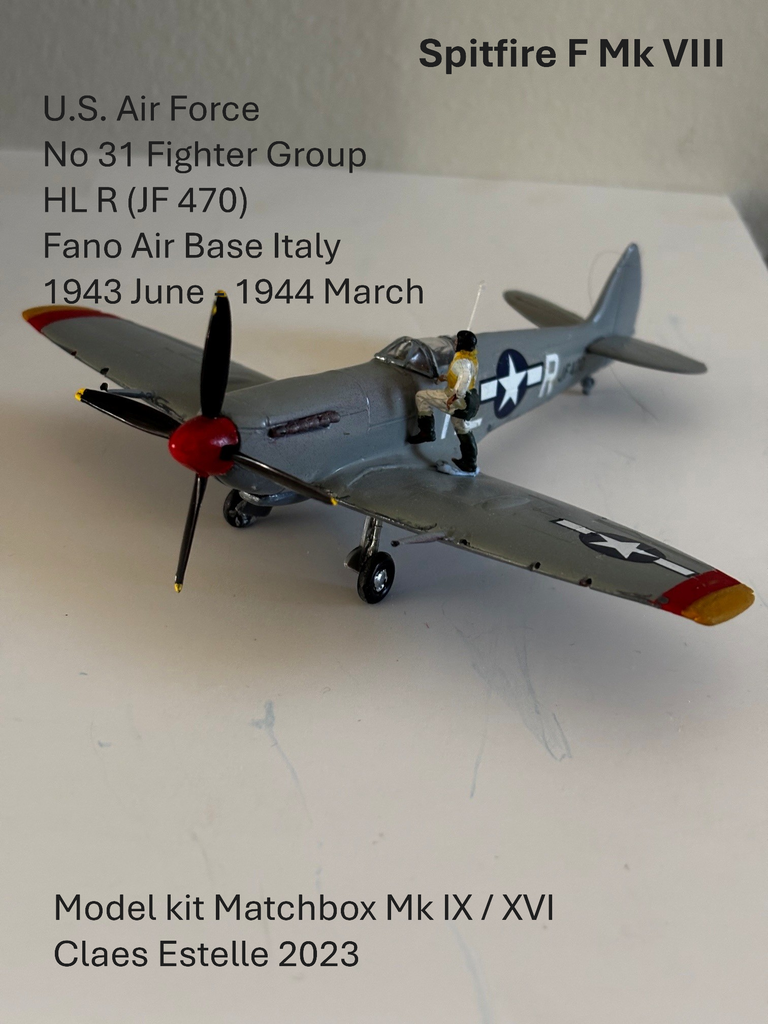
Mk VIII F
A refined fighter incorporating numerous airframe improvements, widely used outside Northwest Europe.
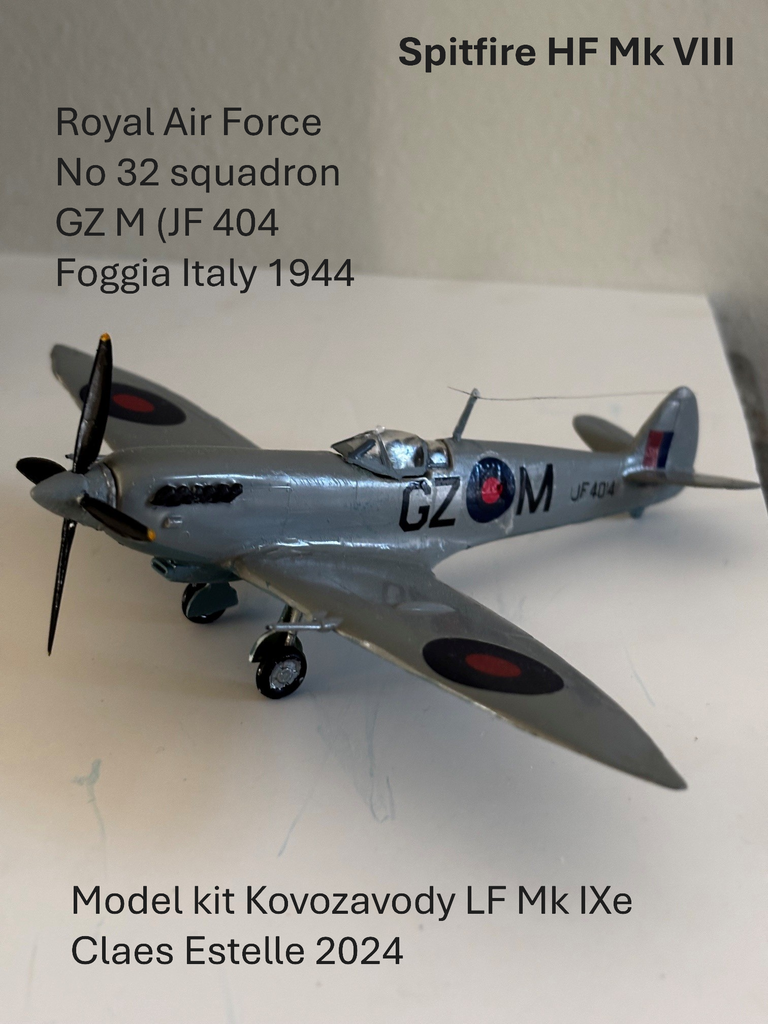
Mk VIII HF
High-altitude adaptation of the Mk VIII, optimized for performance in thin air.
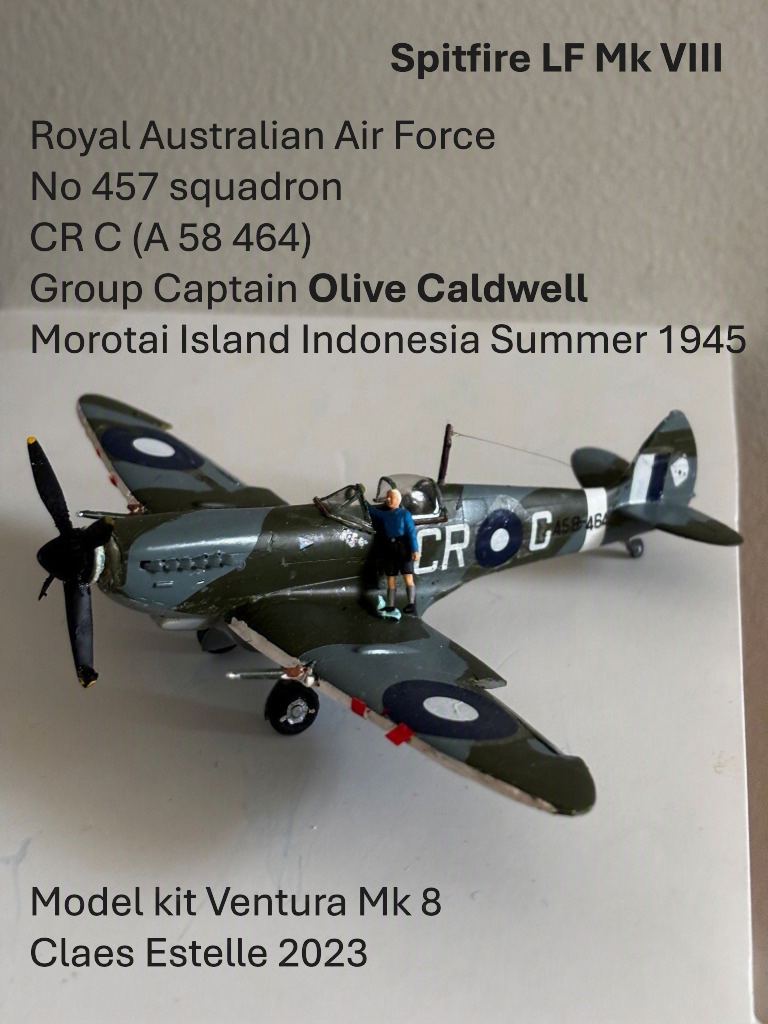
Mk VIII LF
Low-altitude version known for its effectiveness in the Mediterranean and Pacific theatres.
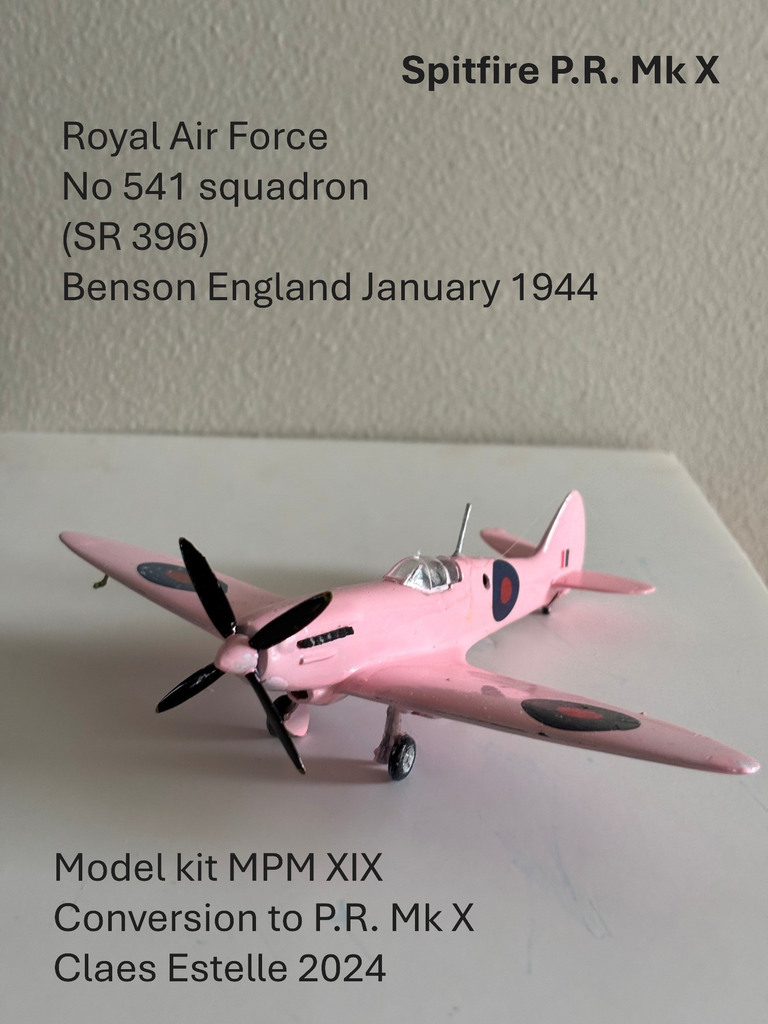
Mk X PR
Griffon-powered reconnaissance variant designed for high-speed photographic missions.
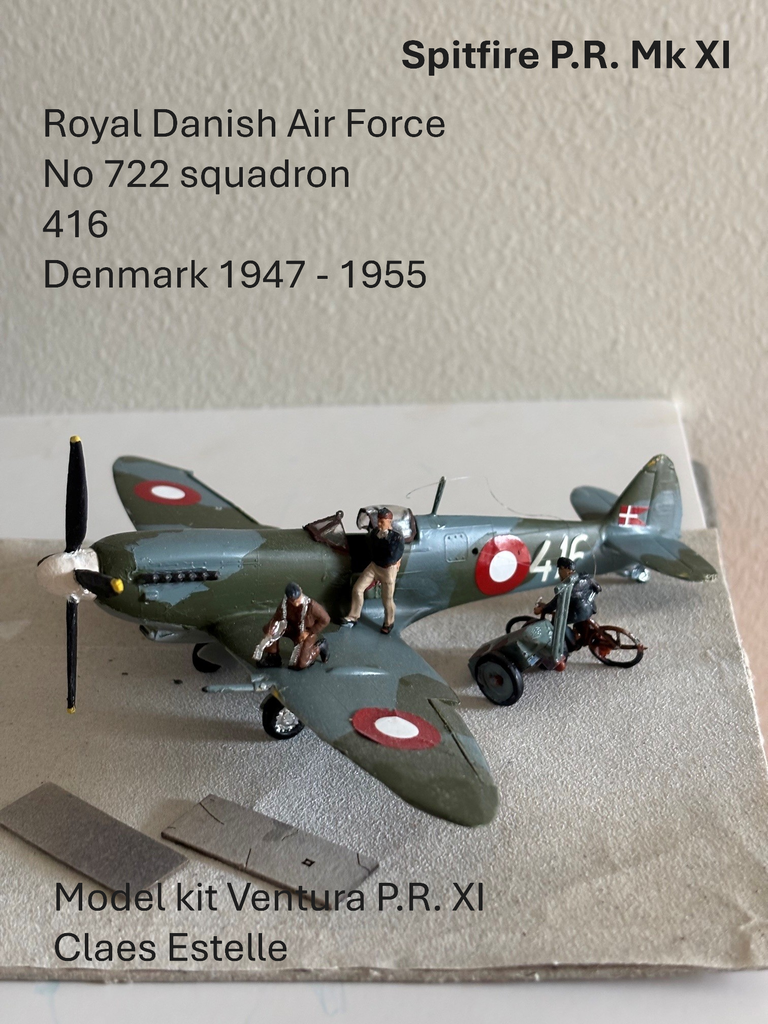
Mk XI PR
The RAF’s principal photo reconnaissance Spitfire, combining range, altitude and speed without carrying armament.
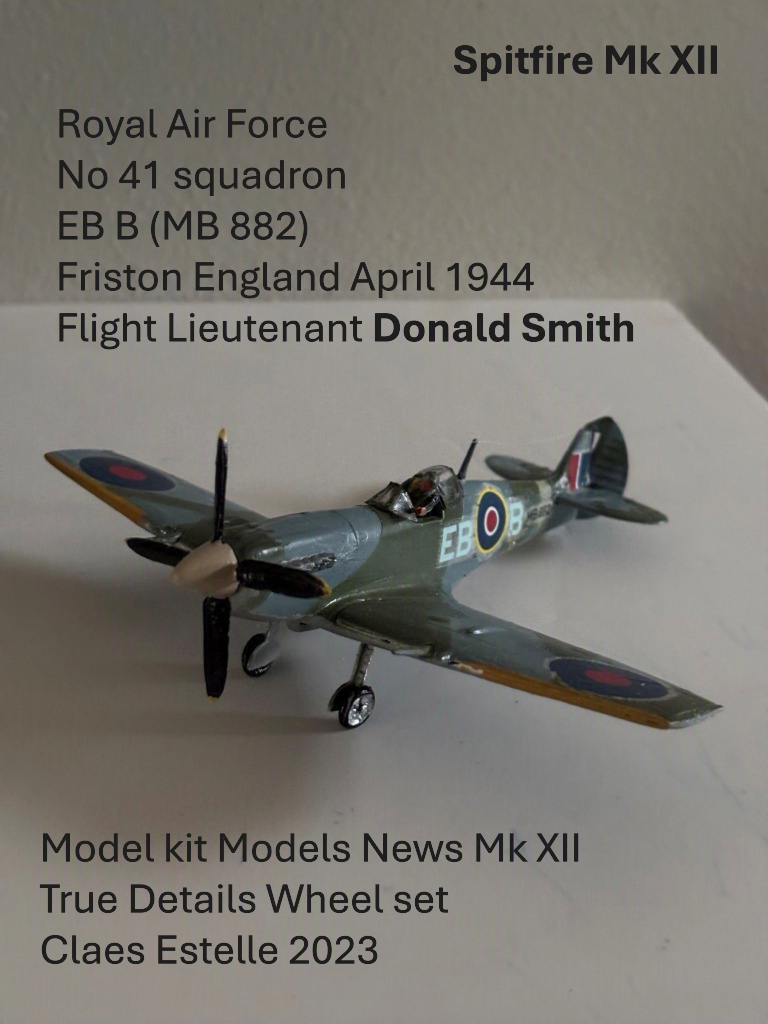
Mk XII
The first operational Spitfire powered by the Rolls-Royce Griffon engine, renowned for its low-level performance.
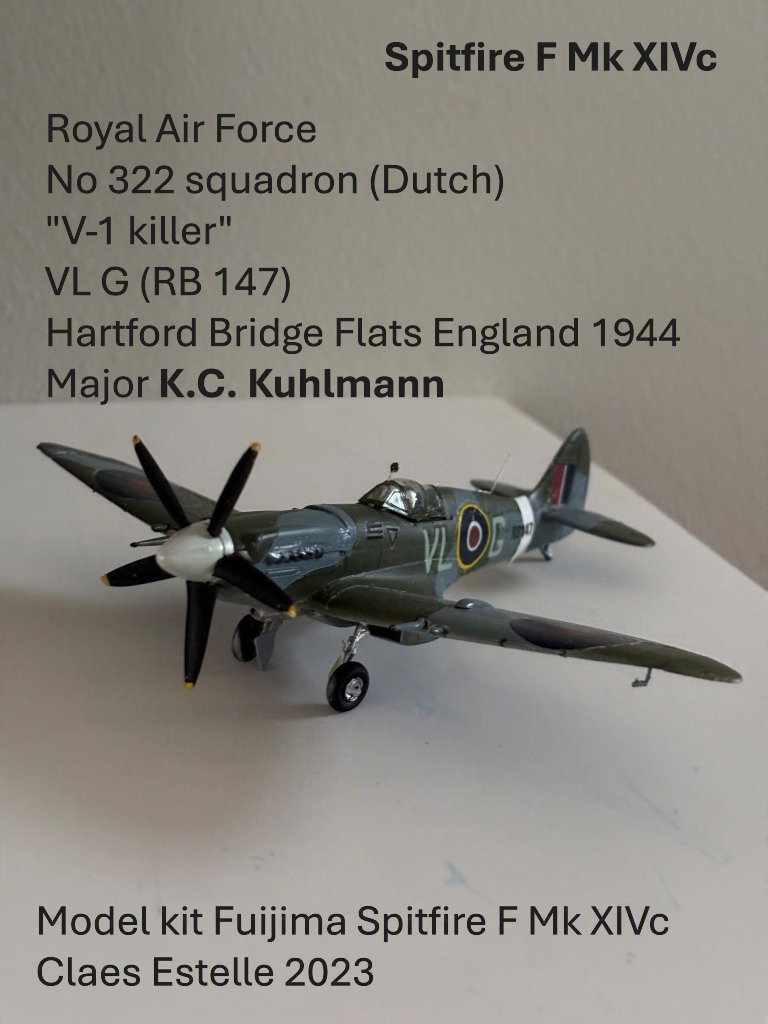
Mk XIVc F
Powerful Griffon-engined fighter featuring remarkable speed and climb performance.
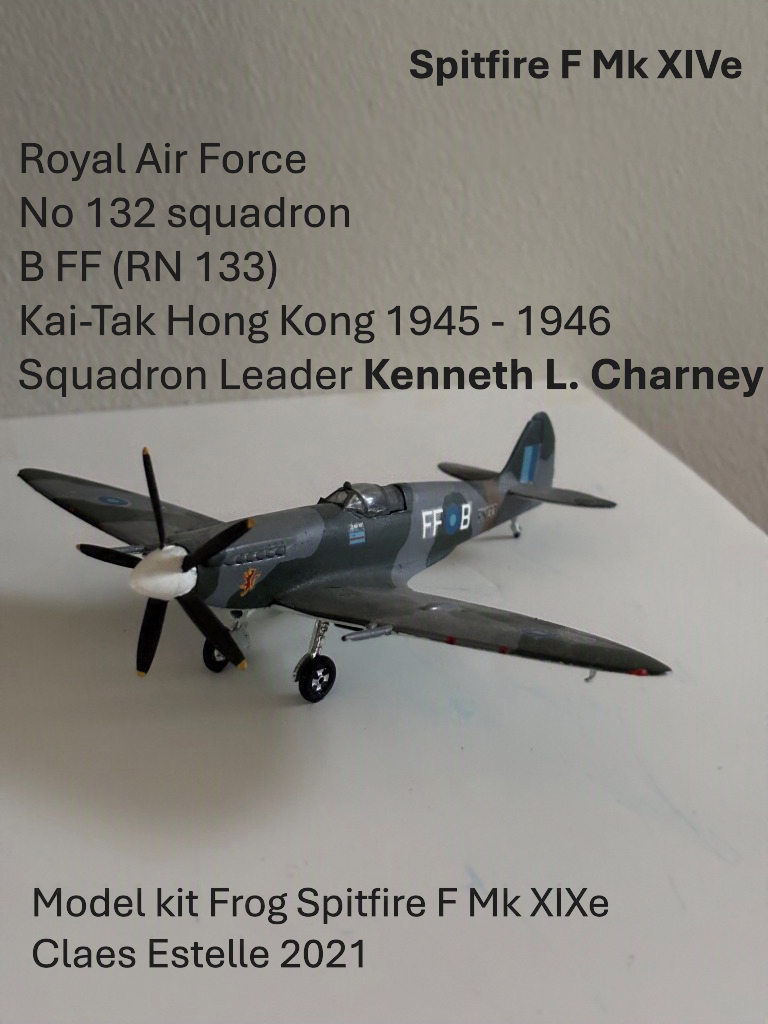
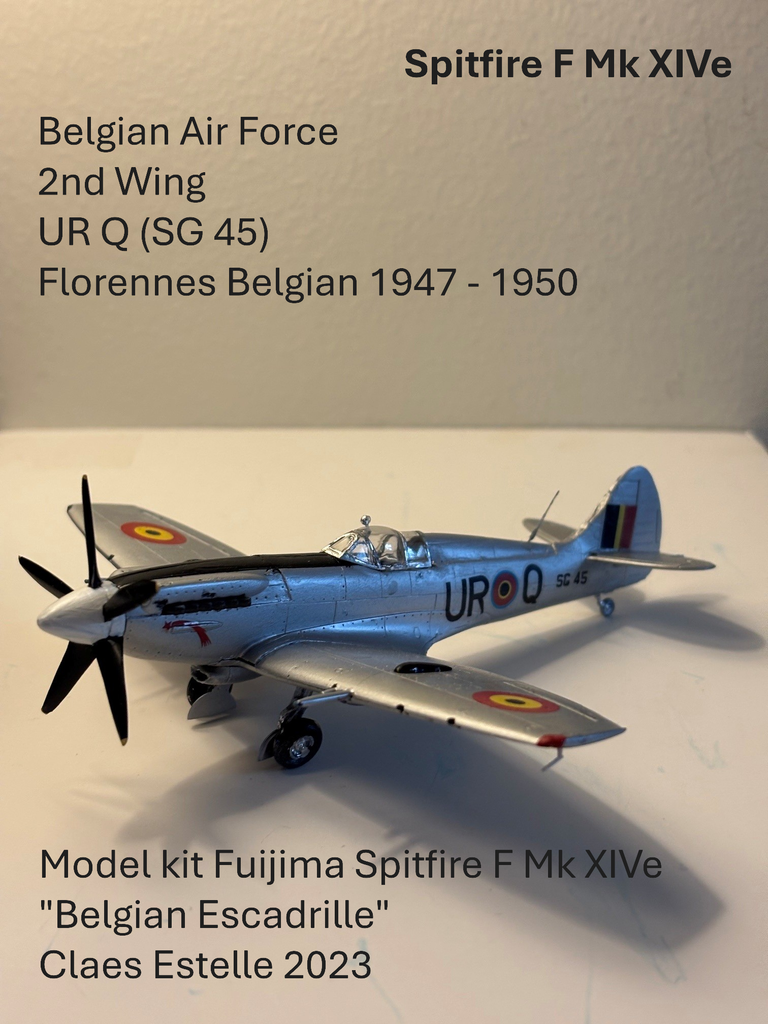
Mk XIVe F
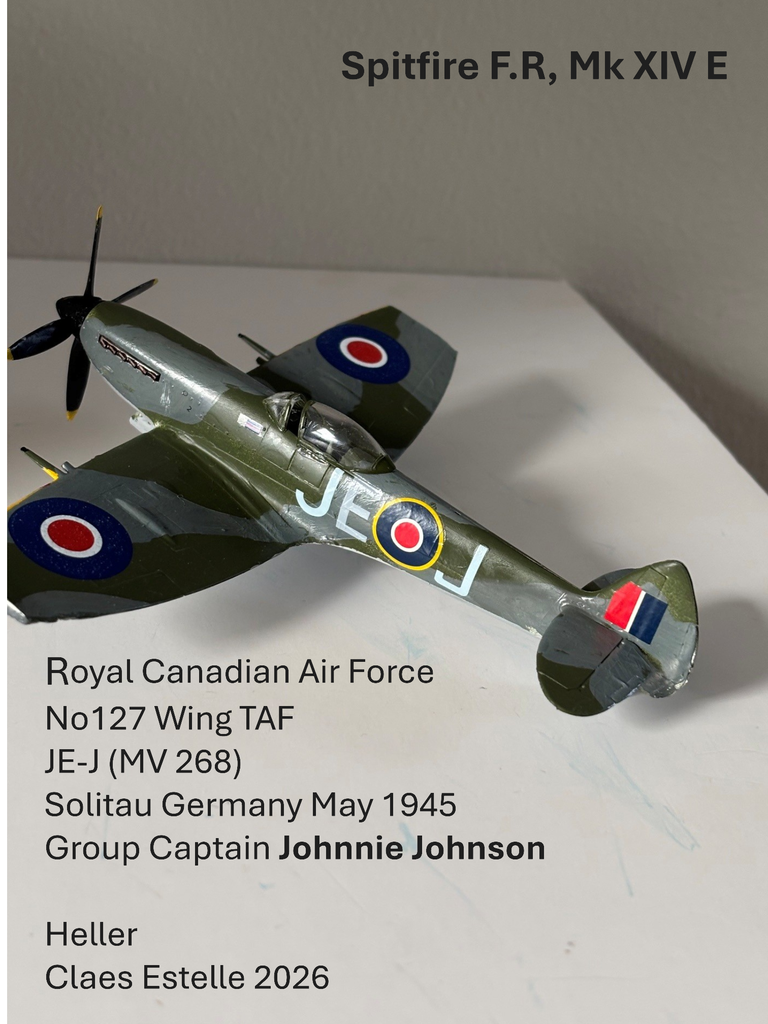
One of the fastest operational Spitfires of the Second World War, fitted with the improved “E” wing.
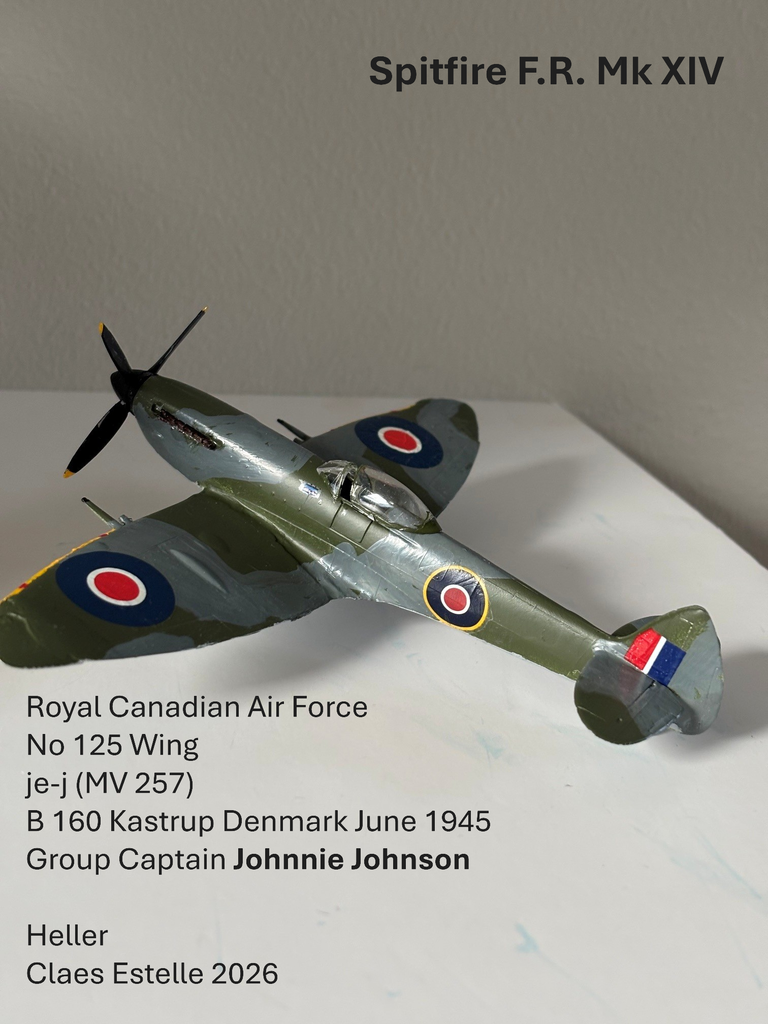
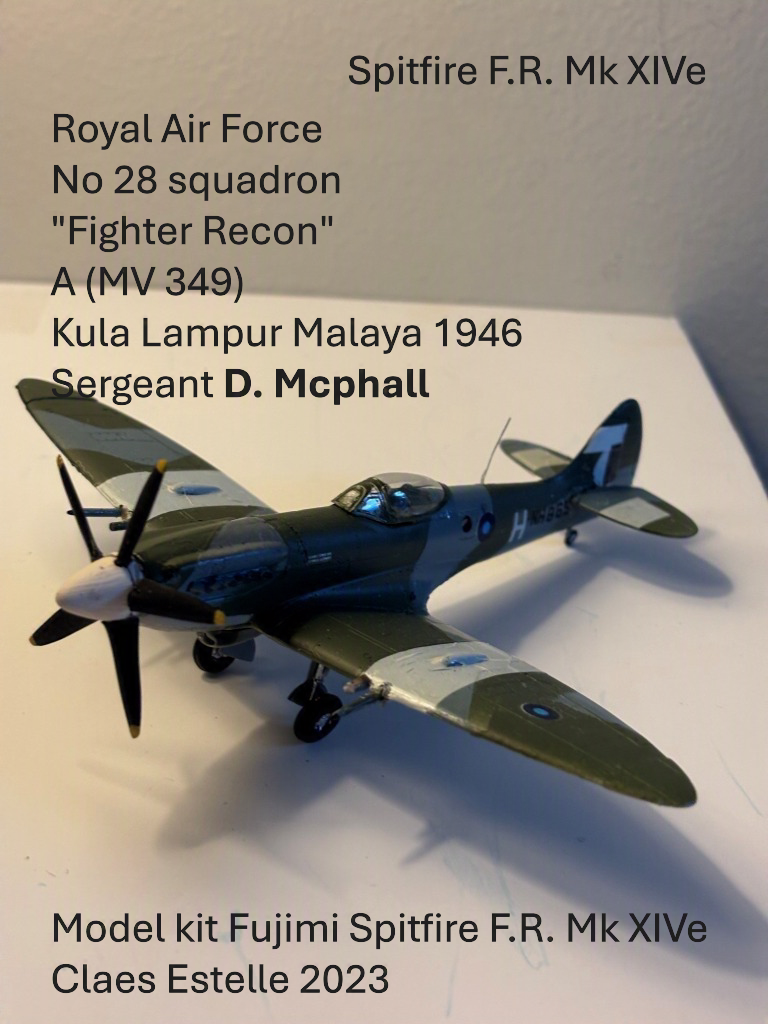
Mk XIVe FR
Fighter-Reconnaissance version capable of both combat and tactical photographic missions.
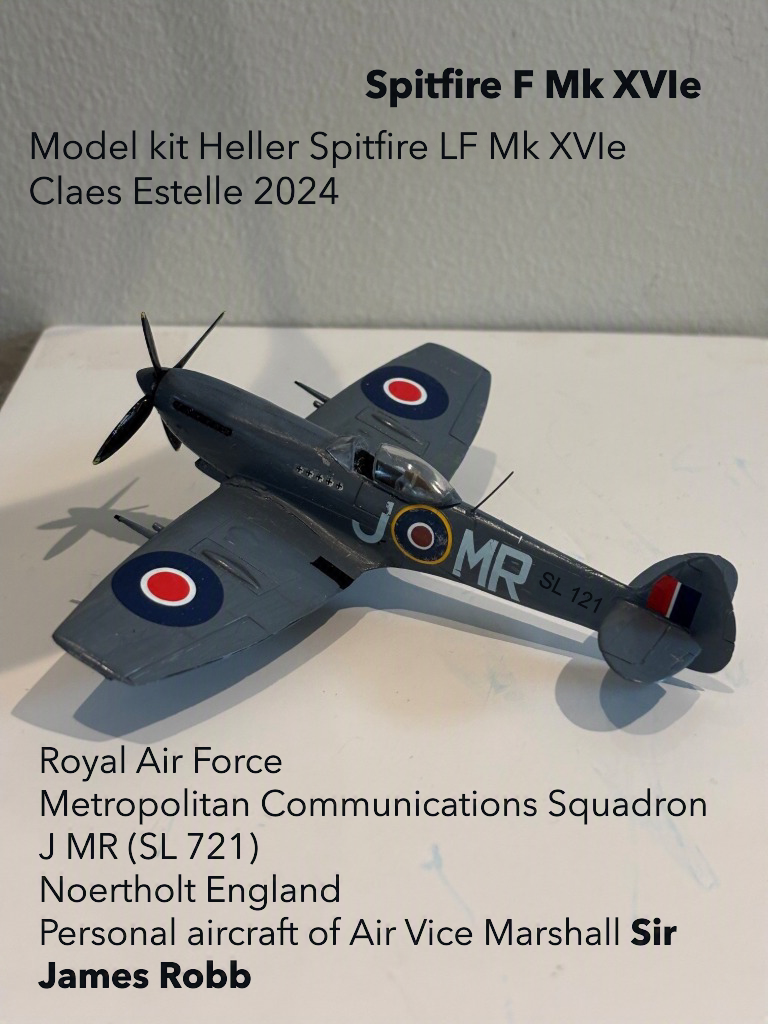
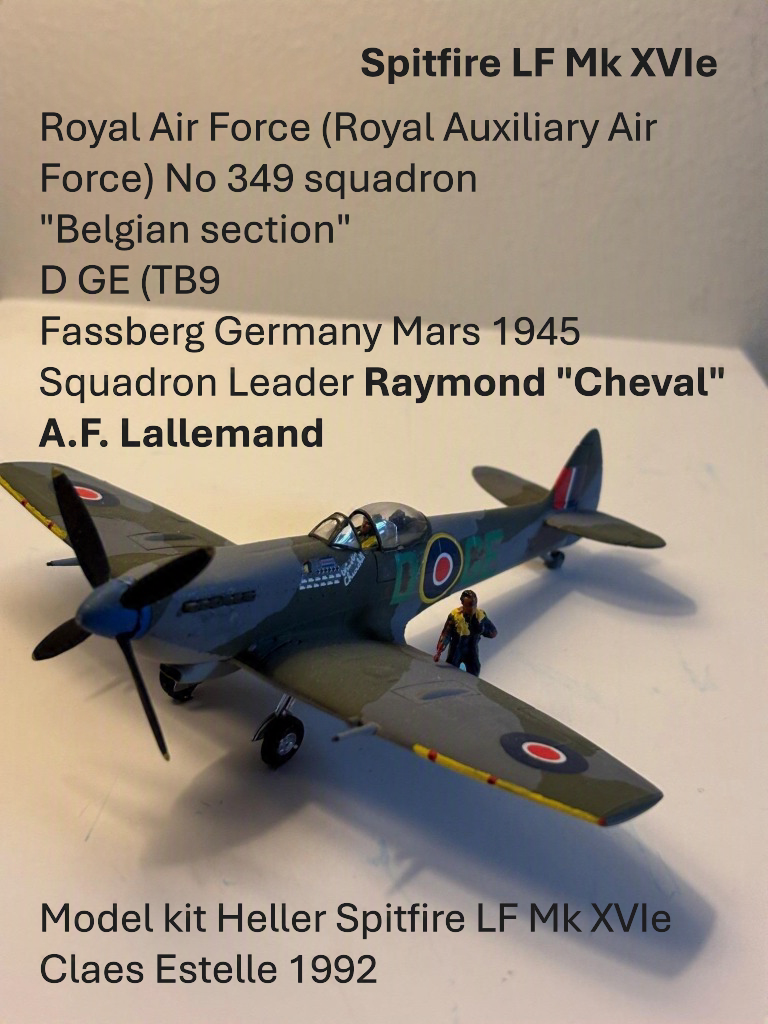
Mk XIVe LF
Low-altitude fighter optimized for interception and ground-support operations.
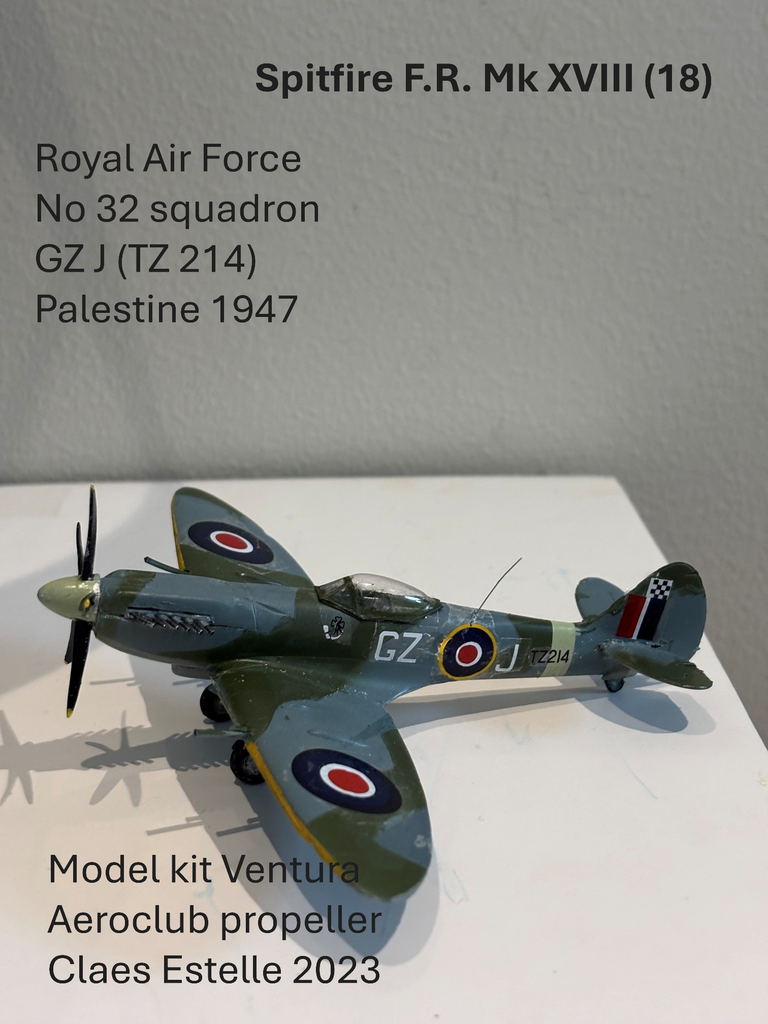
Mk XVIII FR
Stronger and more refined development of the Mk XIV, intended for both combat and reconnaissance duties.
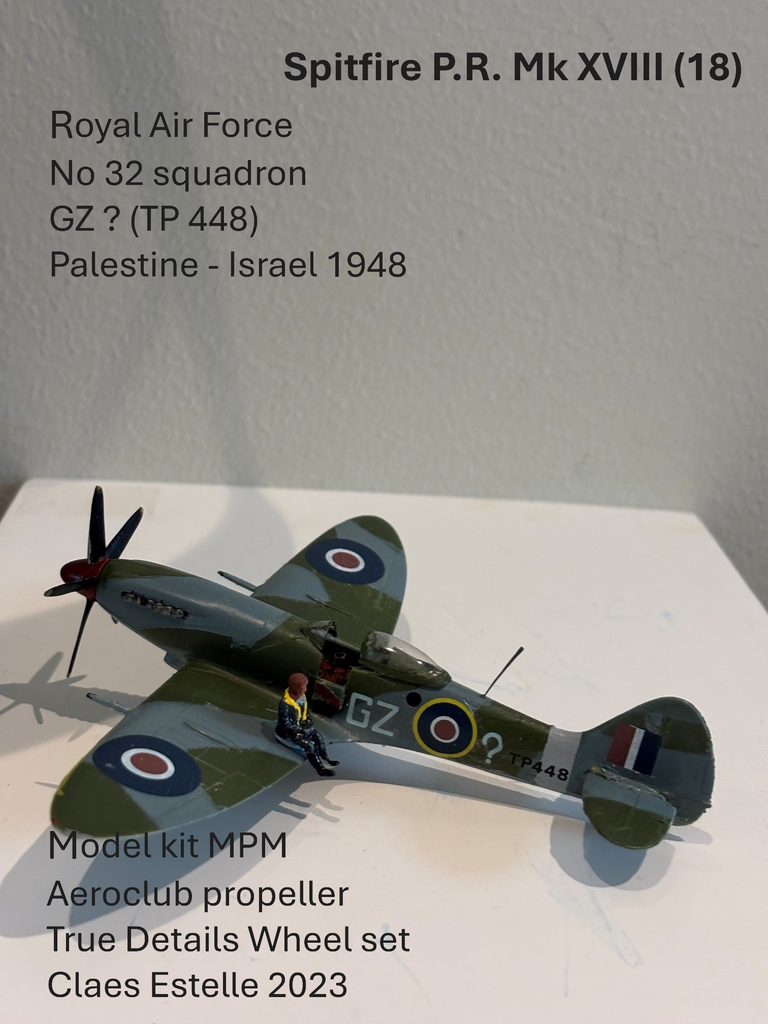
Mk XVIII PR
Dedicated reconnaissance version designed for long-range photographic operations.
Mk XIX PR
The ultimate photo reconnaissance Spitfire, featuring a Griffon engine, pressurized cockpit and exceptional range.
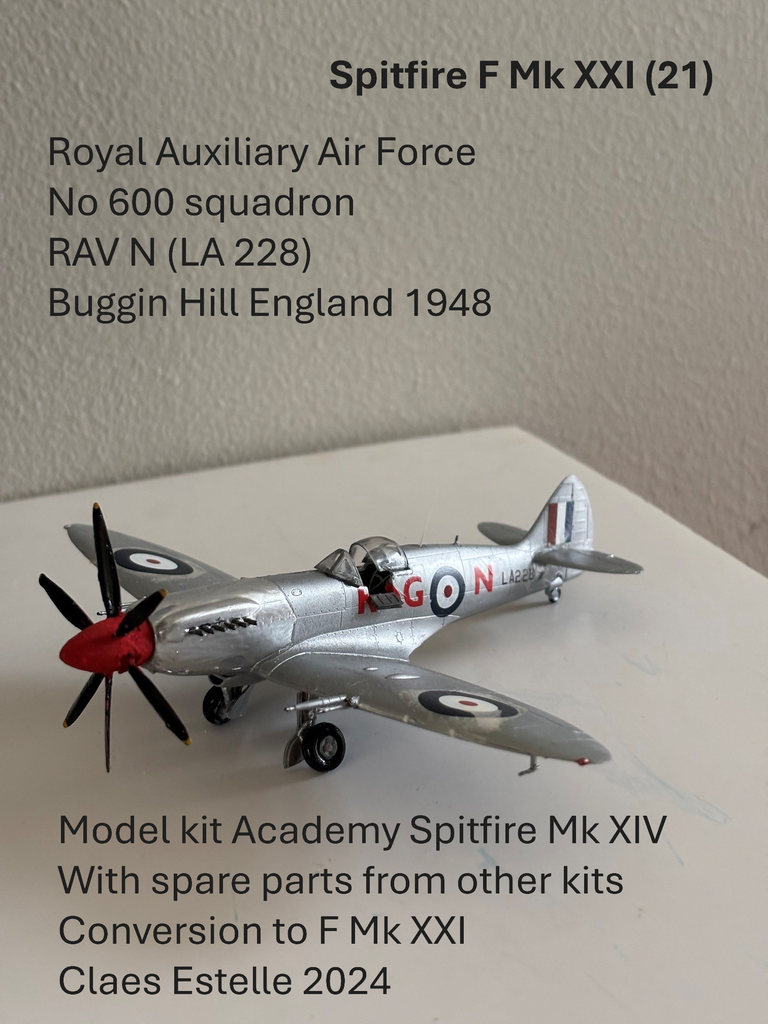
Mk XXI F
Major redesign featuring a strengthened wing structure and increased engine power.
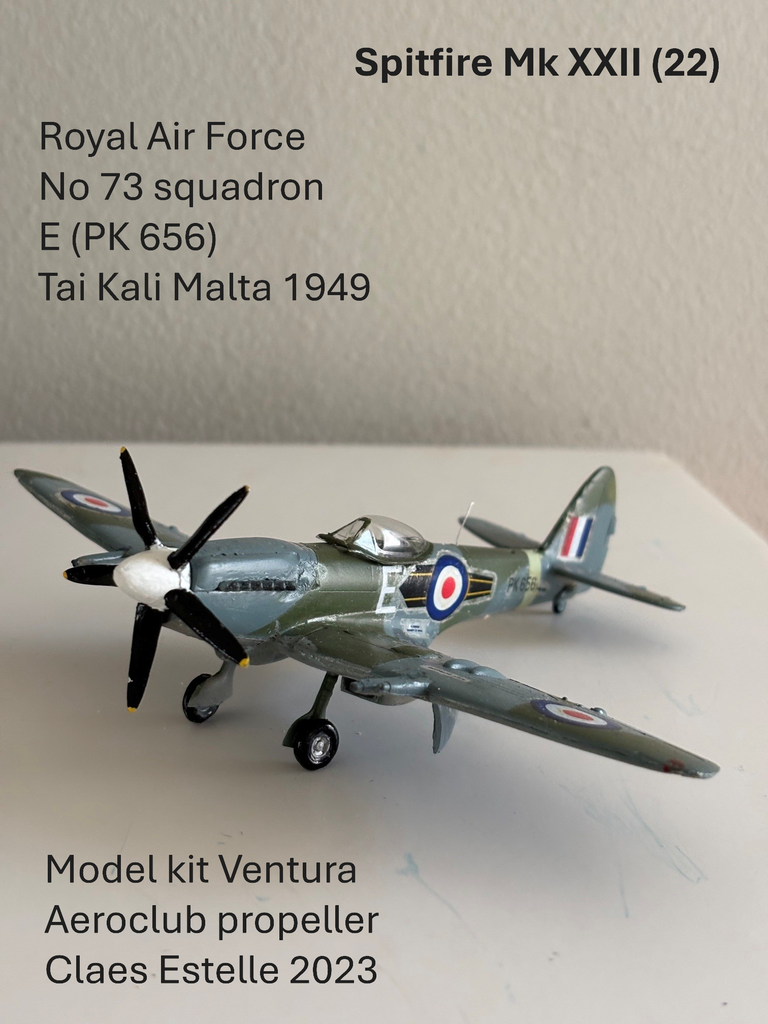
Mk XXII
Late-production version with bubble canopy and improved visibility, representing the final stages of Spitfire development.
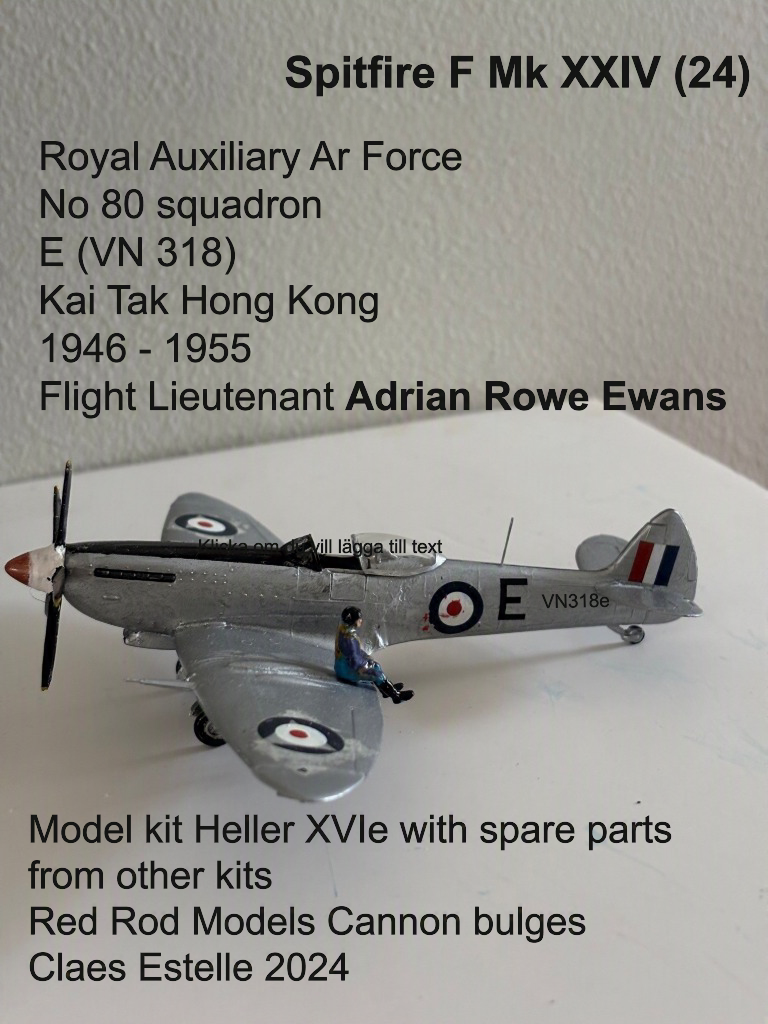
Mk XXIV F
The last production Spitfire and the ultimate expression of the legendary piston-engine fighter.
Variant Designations
F – Fighter
LF – Low Altitude Fighter
HF – High Altitude Fighter
FR – Fighter Reconnaissance
PR – Photo Reconnaissance
LR – Long Range
The Supermarine Spitfire evolved through more than 20 major marks and countless sub-variants, continuously adapting to new operational requirements from 1938 into the post-war era.
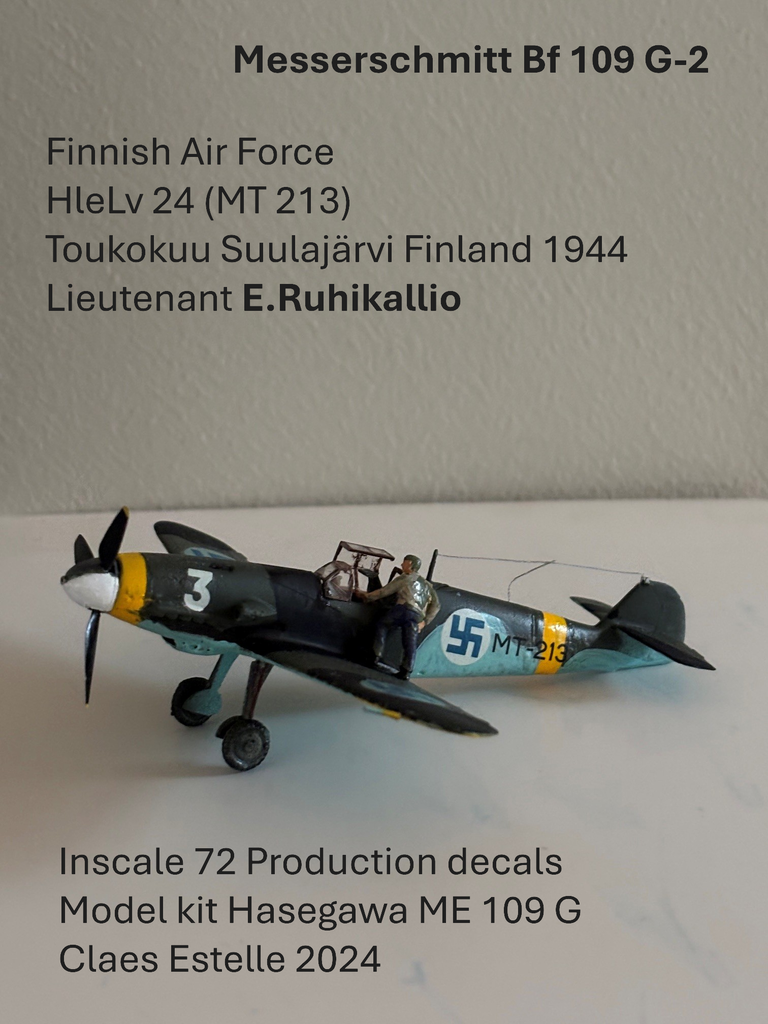
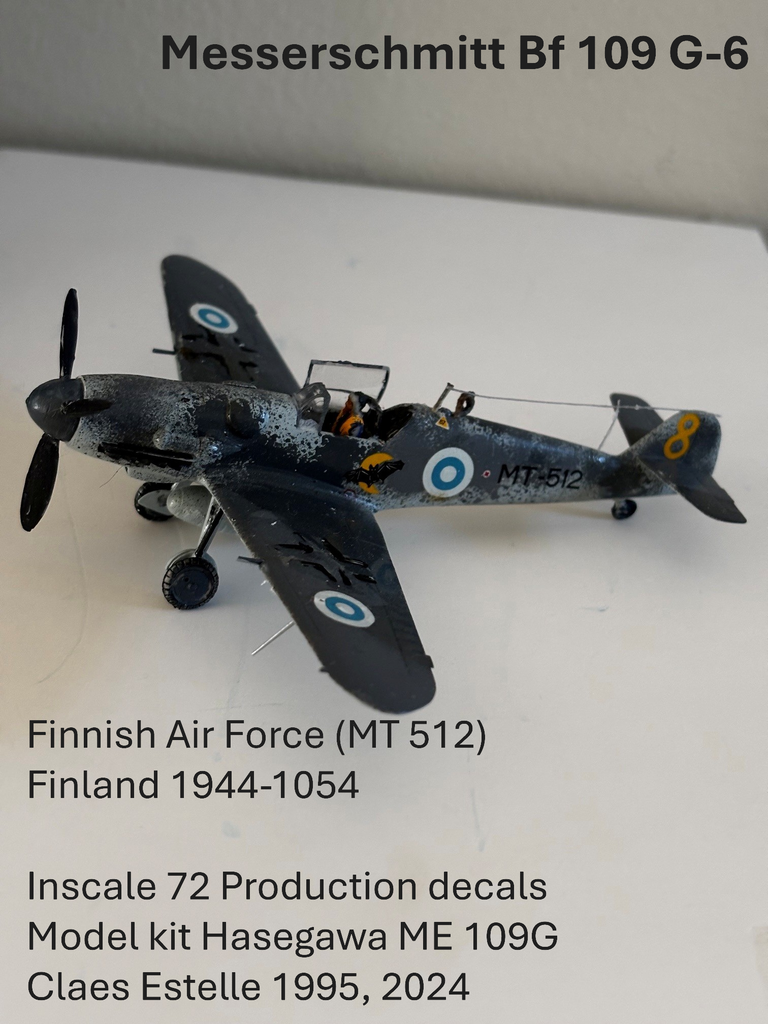
MESSERSCHMITT 109 Finnish Air Force
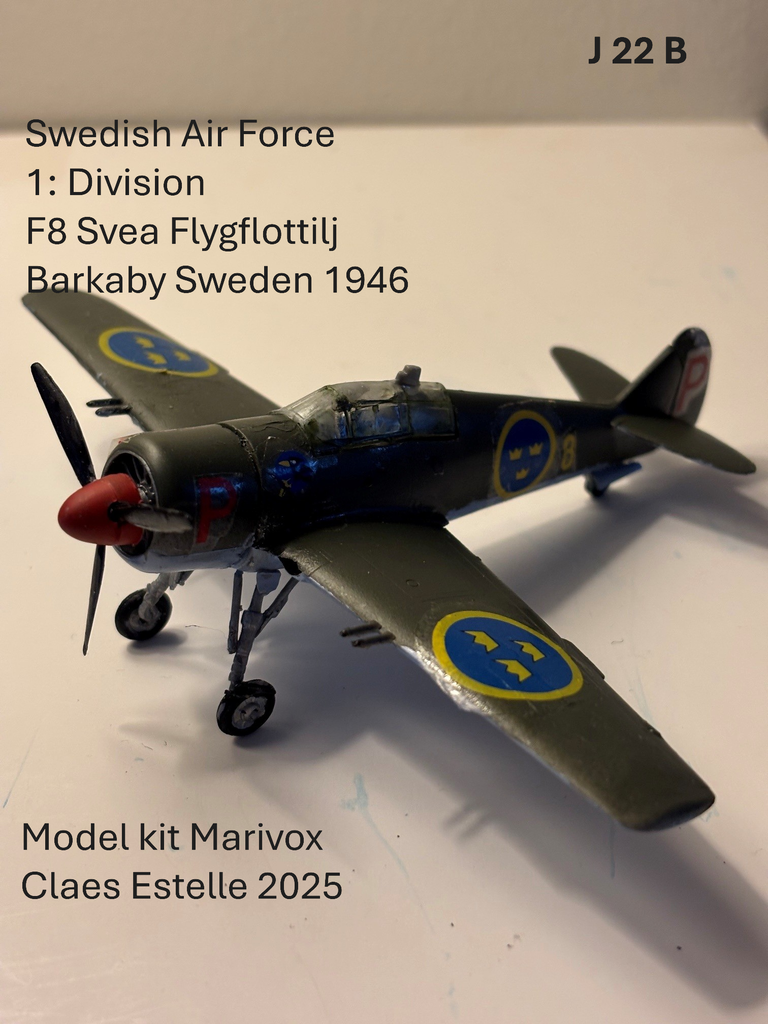
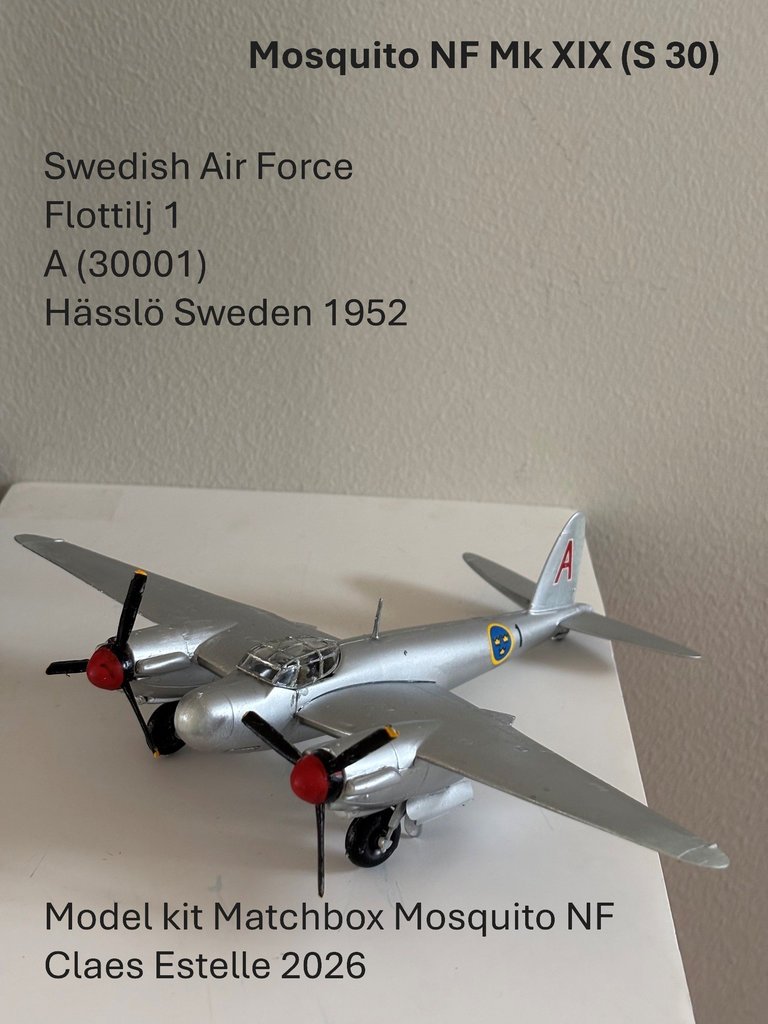
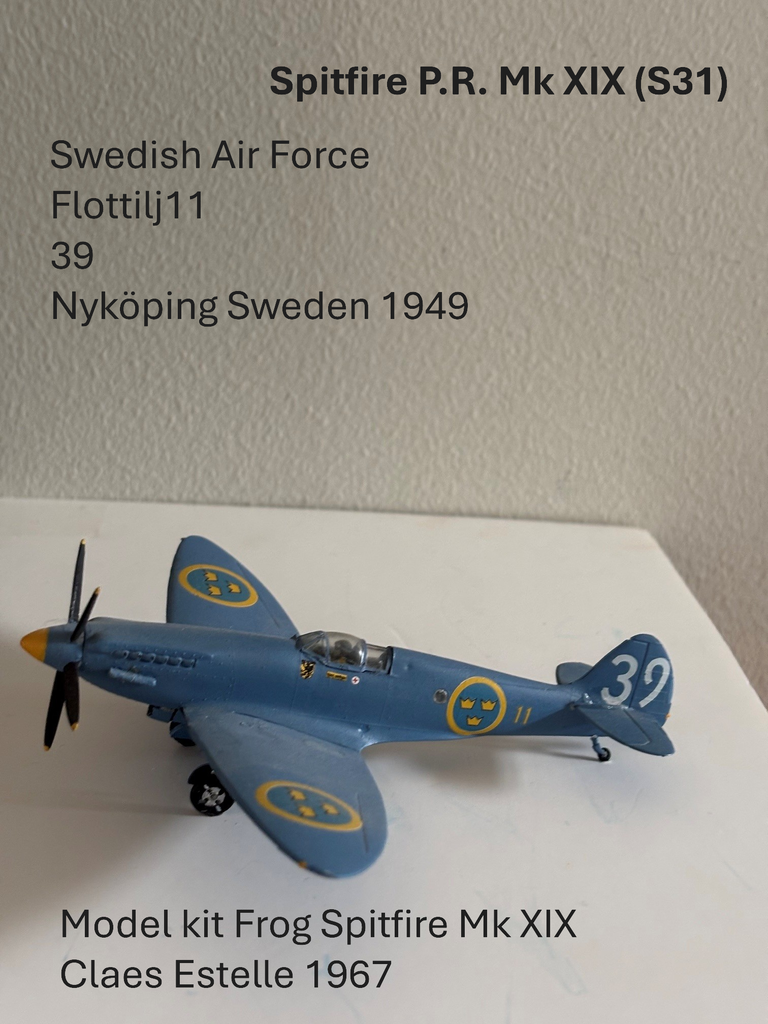
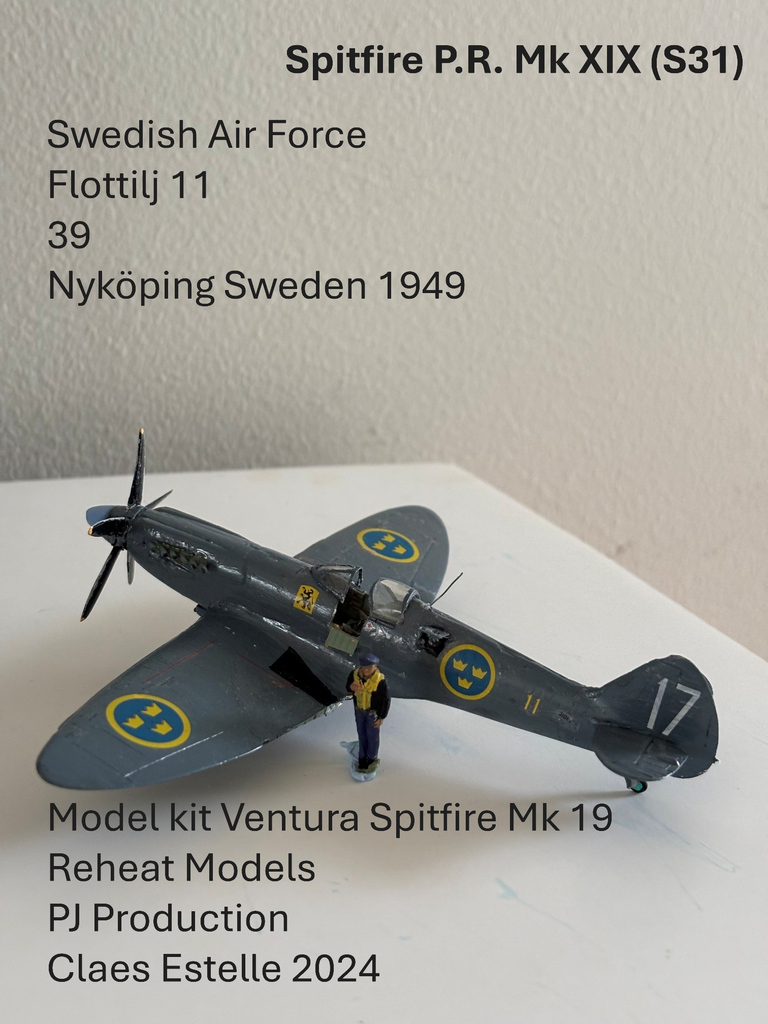
J 22 B – S 30 – S 31 Swedish Air Force
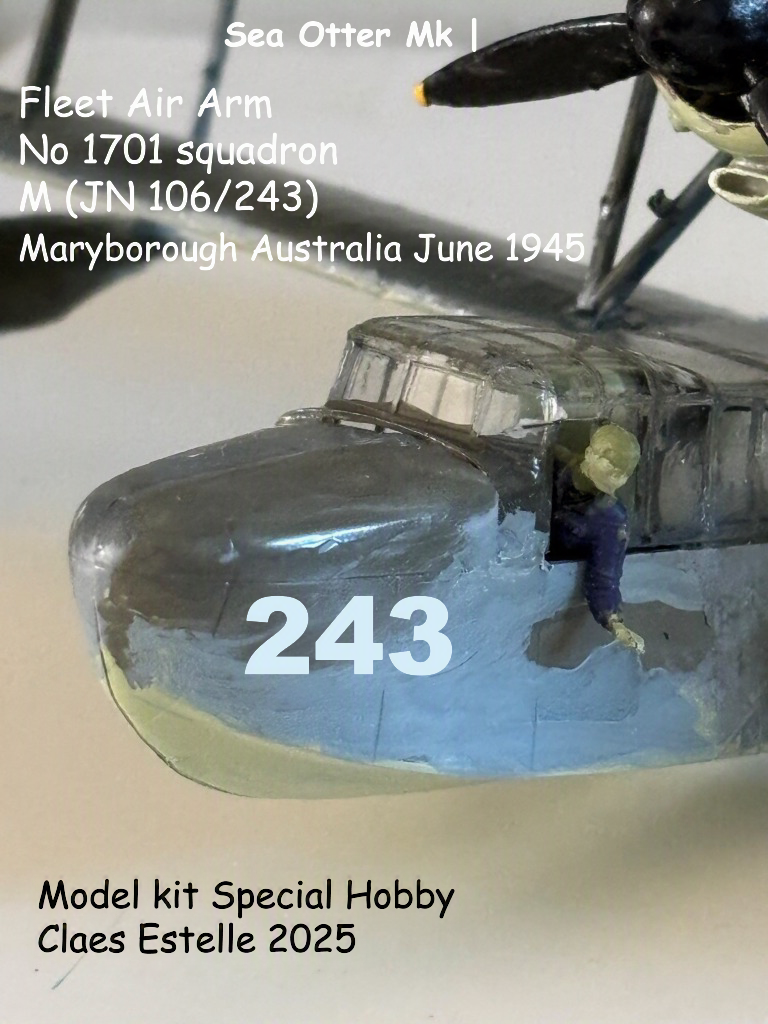
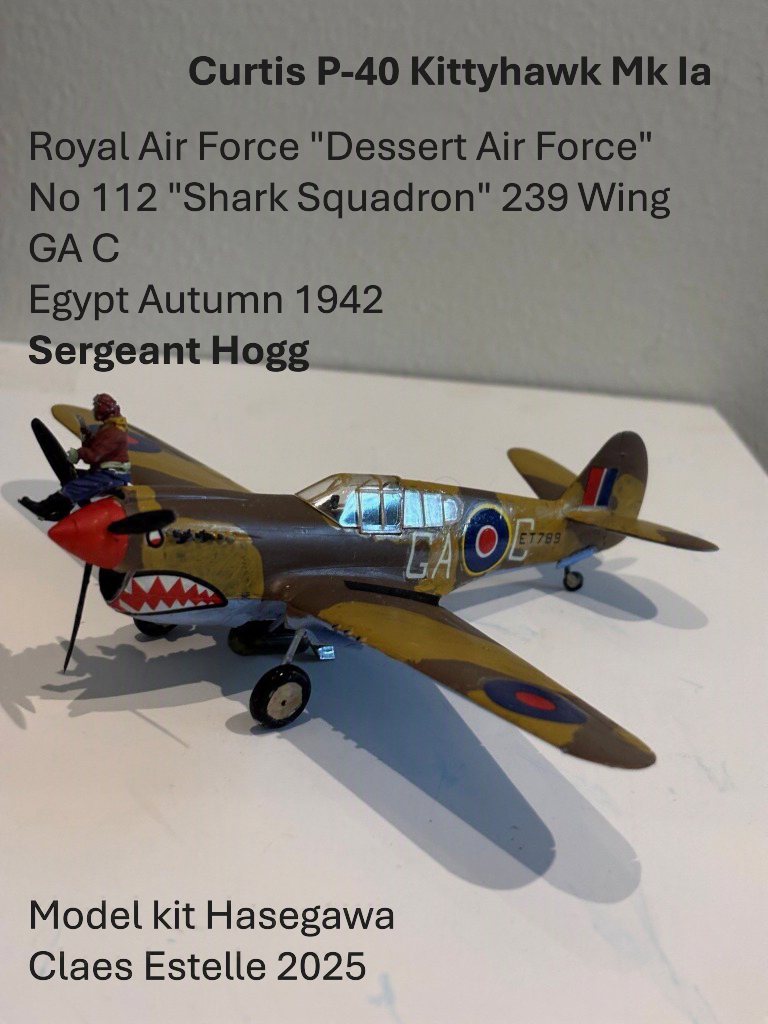
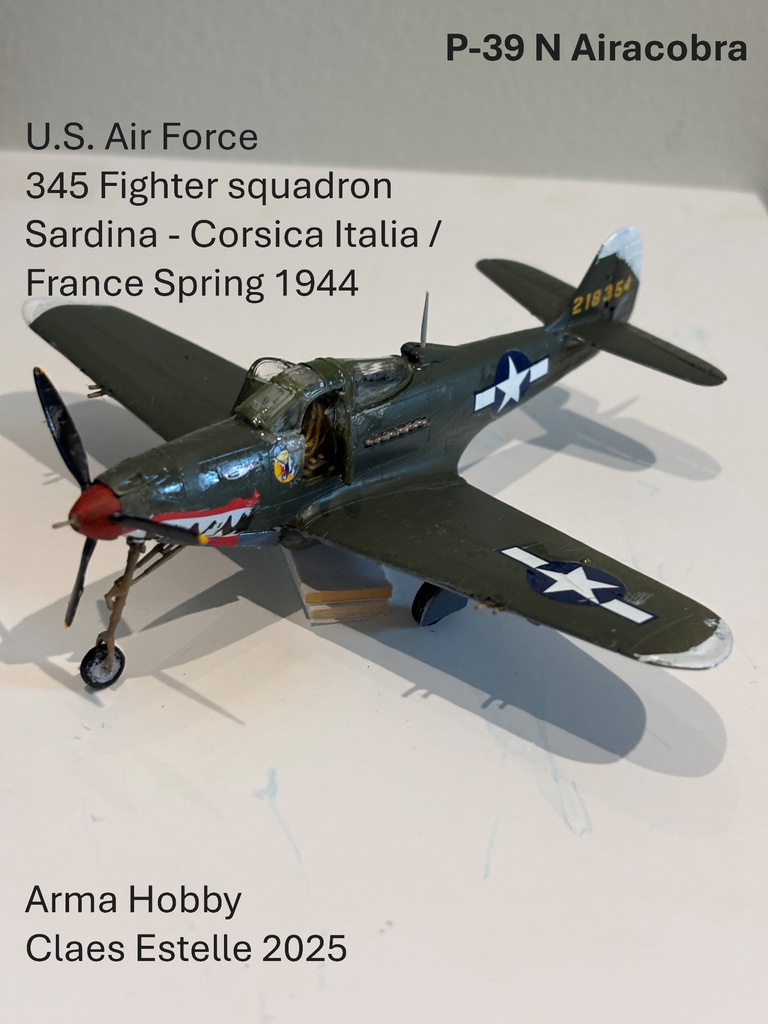
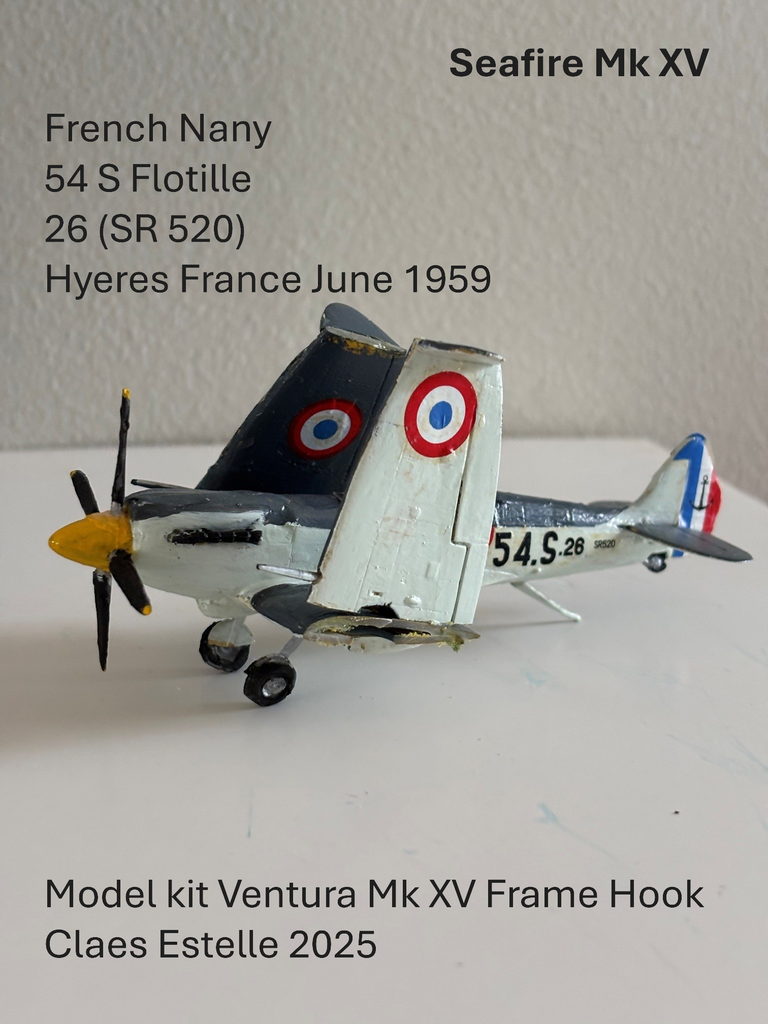
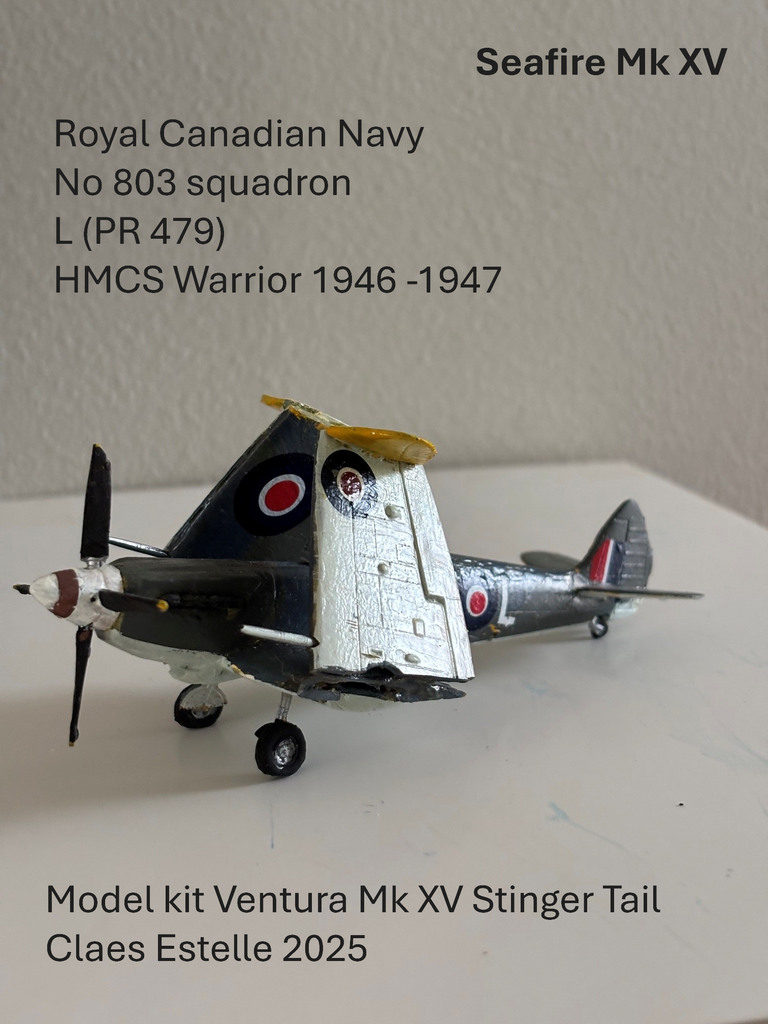
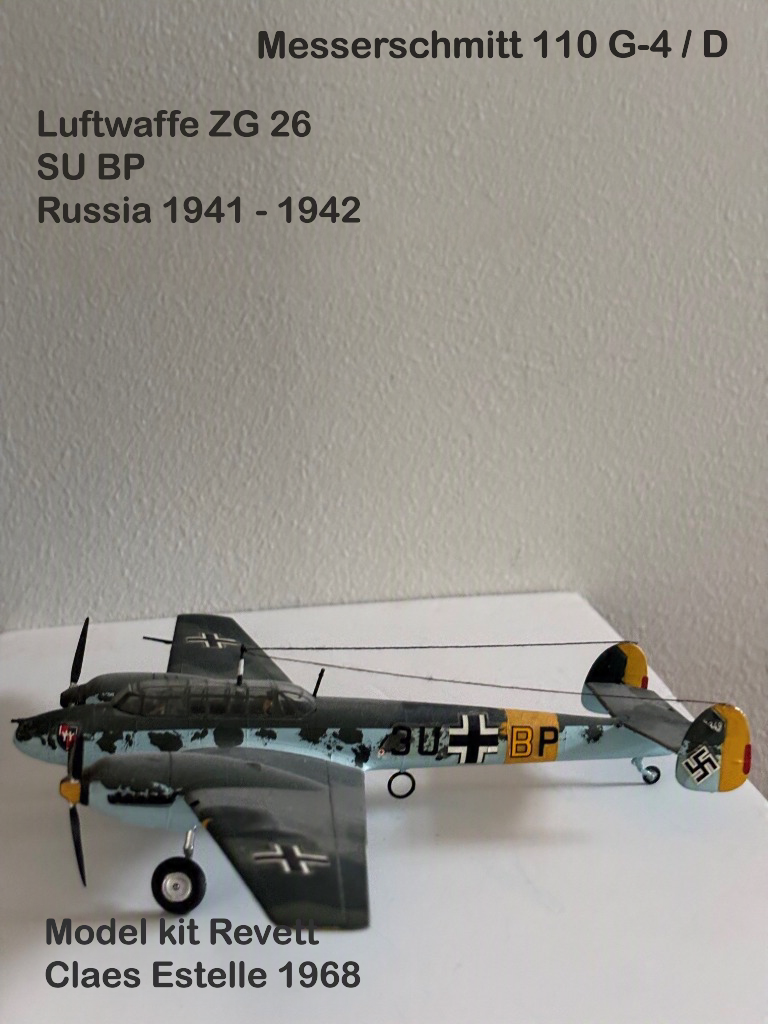
SEA OTTER – P 40 – P 39 – SEAFIRE – ME 110
Drivs med WordPress